
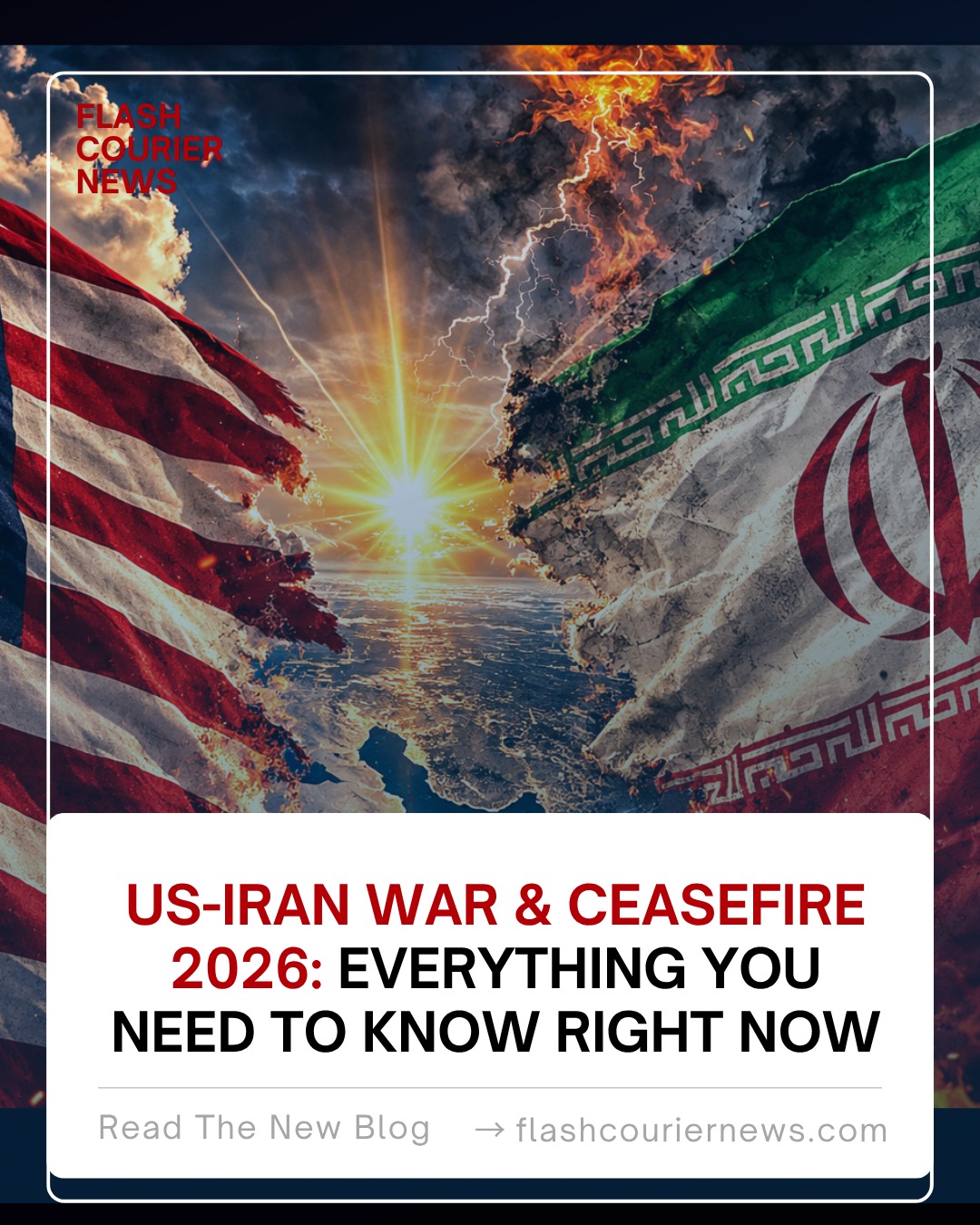
One of the most talked-about geopolitical issues in the US-Iran war of 2026 is the possibility of a US-Iran confrontation. For years, analysts and decision-makers have cautioned that a single error in judgment might start a conflict. This blog offers a scenario analysis examining how such a confrontation might begin, what a ceasefire might entail, and the significance of the Strait of Hormuz. Every date, quotation, and event mentioned is fictitious or derived from unverified accounts.
How Could a US-Iran War Start
Analysts identify several potential triggers:
| Trigger | Likelihood | Consequence |
| Iran enriches uranium to weapons-grade | Medium | US/Israel strikes on nuclear facilities |
| Iran attacks US assets in the region | Low | US military response |
| Israel strikes Iran preemptively | Medium | Iran retaliates against US bases |
| Assassination of Iranian official | Low | Full-scale Iranian retaliation |
Hypothetical scenario: To prevent Iran from acquiring nuclear weapons, some analysts have proposed that coordinated US-Israeli strikes may target Iran’s nuclear and ballistic missile capabilities.
🇵🇰 Pakistani perspective: A war between the United States and Iran would be disastrous. Iran and we have a long shared border. Millions of Pakistani families, commercial lines, and Balochistan would all be impacted by instability there. Pakistan has made a concerted effort to mediate between the two parties as a result.
The Strait of Hormuz—Iran’s Most Powerful Lever
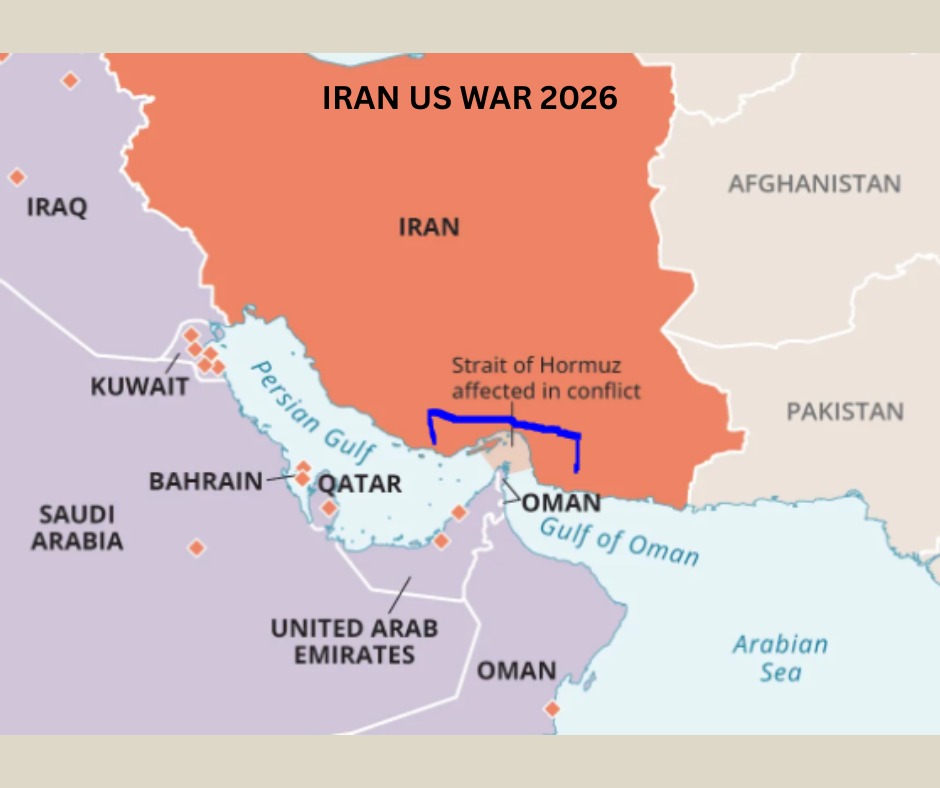
The Strait of Hormuz: 33 kilometers wide, 20% of global oil passes through it. In a US-Iran conflict, this waterway would be the flashpoint.At its narrowest point, the Strait of Hormuz, which separates Iran and Oman, is only 33 kilometers wide.
| Statistic | Importance |
| 20% of global oil passes through Hormuz | ~17 million barrels per day |
| 50% of India’s energy imports | Vulnerable to disruption |
| 40% of China’s oil | China is Iran’s largest trading partner |
| 80% of Japan’s oil | Severe economic impact |
Iran might threaten to close the strait in the event of a conflict. It only needs to sink one or two ships, not all of them. Insurance firms would stop providing coverage, and the price of oil would quickly rise globally.
Estimated Impact: Global inflation and economic risks could arise if oil prices rise to 150–200 per barrel.
Timeline of a Hypothetical Conflict
A scenario-based chronology of unconfirmed occurrences is shown below:
| Date | Hypothetical Event |
| February 2026 | US and Israel launch strikes against Iranian nuclear facilities |
| Days after | Iran closes Strait of Hormuz; oil prices surge |
| March 2026 | US demands Iran’s unconditional surrender; multiple deadlines pass unmet |
| Early April 2026 | Pakistan brokers a temporary ceasefire |
| Mid-April 2026 | Peace talks held in Islamabad; negotiations stall |
| Late April 2026 | US Navy blockades Iranian ports |
Where Do Negotiations Stand? (Scenario Analysis)
Negotiations might encounter multiple deadlocks in the hypothetical situation mentioned above:
| Issue | Iran’s Position | US Position |
| Nuclear program | Right to peaceful enrichment | Permanent cessation |
| Ballistic missiles | Defensive necessity | Limits and monitoring |
| Strait of Hormuz | Iranian sovereignty | Full reopening guaranteed |
| Sanctions | Complete removal | Linked to compliance |
| Security guarantees | Binding international guarantees | Unclear |
There is a huge difference between these places. It would take months, if not years, of negotiations to achieve a true truce.
Pakistan’s Mediation Role
Pakistan has presented itself as an impartial go-between for Iran and the United States.
- Has a 900-kilometer border with Iran.
- Has a lengthy history with Iran and the United States.
- Seeks regional stability to safeguard its western border.
- Can provide a private, low-key setting for discussions
🇵🇰 On-the-ground reality: As a Pakistani, I am aware that any conflict between the US and Iran will have a direct impact on Pakistani daily life, including border security, food prices, and fuel prices. For this reason, regular people, not just diplomats, are concerned about Pakistan’s mediation attempts.
Frequently Asked Questions
Is there currently a US-Iran ceasefire?
As of May 2026, no cease-fire deal has been confirmed and made public. A hypothetical situation is examined in this article. Consult major news agencies for up-to-date information.
Could the US use nuclear weapons against Iran?
US doctrine is that while the US has not explicitly ruled out any possibilities, most analysts believe that using nuclear weapons against a non-nuclear state is extremely unlikely.
How would this affect oil prices?
Impact estimate: If the Strait of Hormuz closes, oil prices could rise to 150–200 per barrel, which will increase fuel prices in Pakistan and cause inflation worldwide.
Who is mediating between the US and Iran?
Potential intermediaries: In recent years, backchannel conversations between the US and Iran have involved China, Pakistan, and Oman.
🇵🇰 Final thought: This goes beyond geopolitics. This concerns the ability of a Lahore household to purchase bread. Can a student in Karachi afford the bus fare? Can a farmer in Punjab purchase fertilizer? Pakistan has every right to advocate for peace.











Leave a Reply