
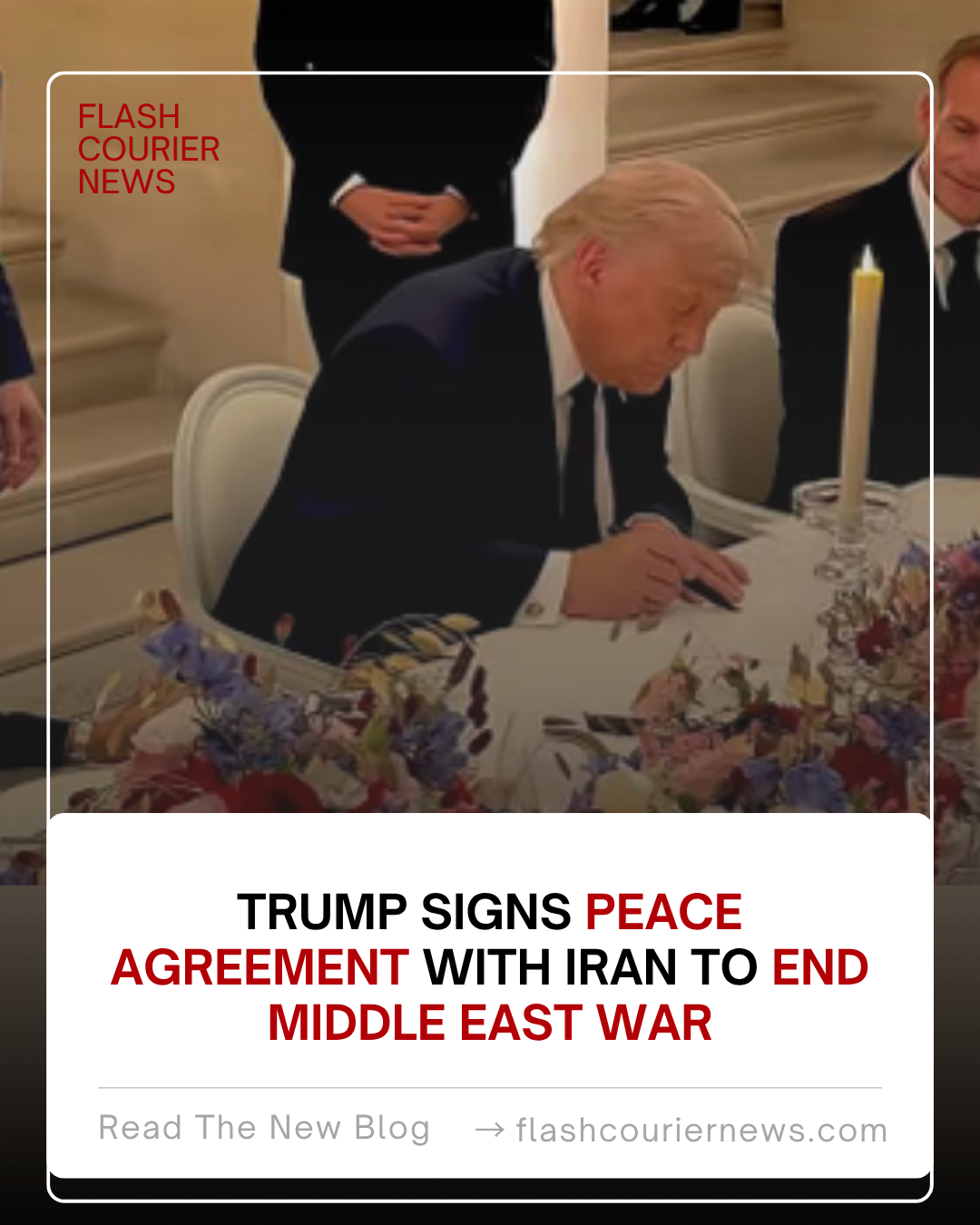
The world was suddenly rocked by a significant geopolitical change. In an effort to put an end to a devastating four-month regional conflict, President Donald Trump and Iran signed a historic 14-point memorandum of agreement. Heavy Israeli and American bombings marked the start of the conflict on February 28. With this crucial diplomatic victory, things eventually came to a standstill.
During the G7 conference at the Palace of Versailles, the accord began to take shape. It creates a 60-day window for direct, intensive diplomatic talks. Globally, shippers are exhaling with relief. The United States naval blockade of Iranian ports is immediately lifted as a result of the agreement. Additionally, it guarantees free travel across the extremely unstable Strait of Hormuz.
This unanticipated agreement seeks to prevent a more widespread global depression and stabilize a turbulent global economy. However, the accord raises important issues that remain unresolved. Both supporters and detractors are racing to analyze the true implications of this extraordinary turn of events. Massive compromises, bold reconstruction promises, and postponed nuclear decisions that will influence regional security for decades are revealed in the book.
The Genesis of the 14-Point Peace Pact
Coordinated attacks against Iranian military structures, air defenses, and nuclear facilities caused the war to break out earlier this year. Lebanon was immediately in the line of fire as the violence swiftly spread into other areas. Global energy markets were rocked by the ensuing interruption to maritime traffic. As crucial shipping routes were blocked by a naval blockade, oil prices skyrocketed to dangerously high levels.
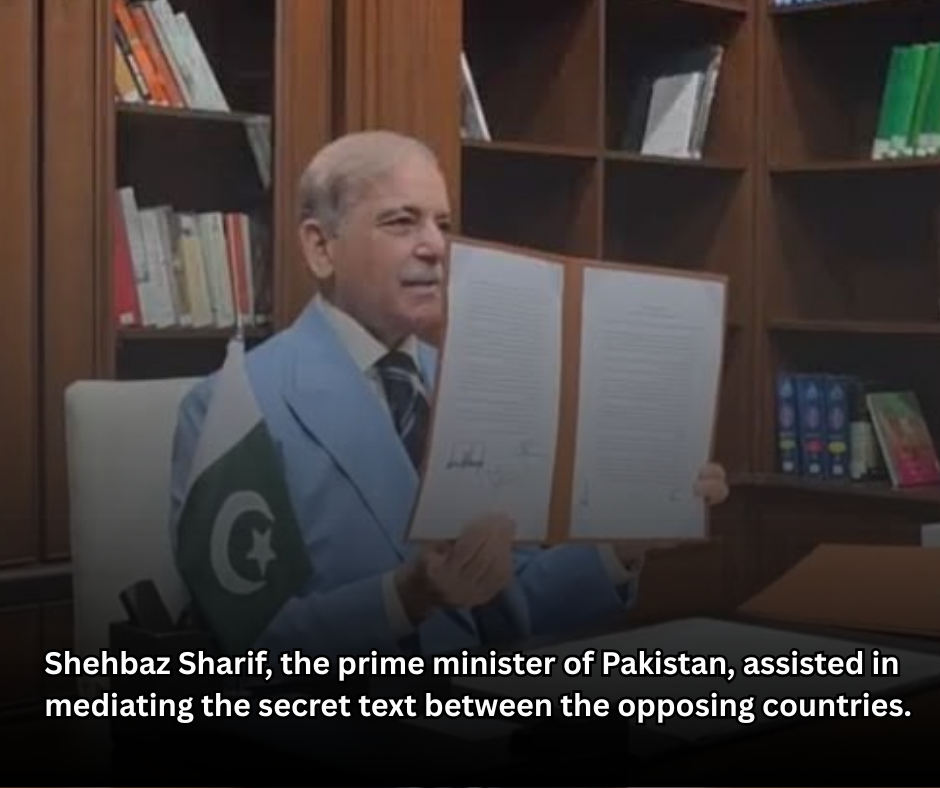
Washington turned to aggressive diplomacy in the face of severe internal economic difficulties and unstable financial markets. Shehbaz Sharif, the prime minister of Pakistan, assisted in mediating the secret text between the opposing countries. The outcome is an expedited framework that puts short-term economic assistance ahead of long-term geopolitical conformity.
Both Washington and Tehran are given explicit tasks in the 14-point pact. It compels hostile military actions to stop right away. In addition, the legislation establishes a strict deadline for removing marine obstacles and reestablishing commercial shipping access.
Dismantling the Blockade on the Strait of Hormuz
The freedom of marine trade and shipping security are the main economic pillars. Within a rigorous 30-day timetable, the United States pledges to completely end its naval blockade. This procedure begins right away so that commercial tankers that are waiting can safely arrange their itineraries.
[Maritime Traffic Recovery Forecast]
Pre-War Traffic Level: 100%
Current Resumption Period: 30 Days
Free-Passage Window: 60 Days
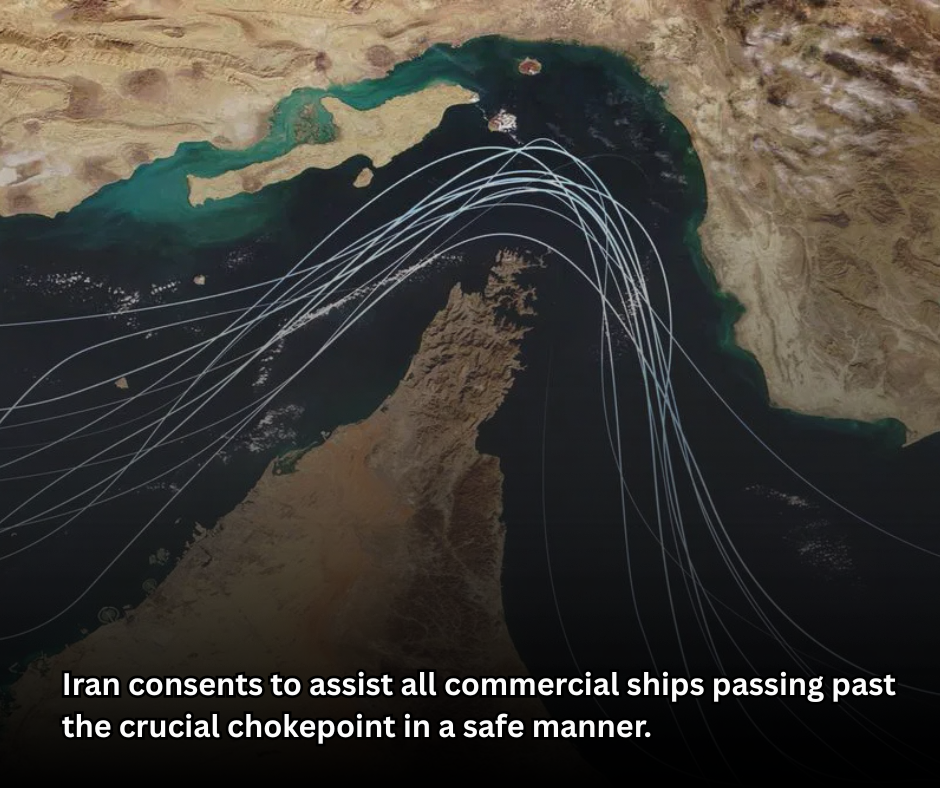
Iran consents to assist all commercial ships passing past the crucial chokepoint in a safe manner. For the first sixty days, the text promises toll-free travel from the Persian Gulf to the Sea of Oman. This particular aspect is still very controversial. Tehran would seek transit fees after this introduction time ends, according to Iranian chief negotiator Mohammad Bagher Ghalibaf. There will be major changes to the regional maritime architecture. Iran intends to start bilateral talks with the Sultanate of Oman. A new, long-term administration structure for the Strait of Hormuz will be established during these negotiations. Tehran may gain permanent control over more than 20% of the world’s daily petroleum supply as a result of this particular event.
Nuclear Ambitions and Uranium Down-Blending Rules
Tehran makes a clear commitment to its nuclear projects in the text. Iran states unequivocally that it will not acquire or create any nuclear weapons. Tehran is required to maintain a strict status quo at all nuclear sites throughout these 60-day consultations.
[Enriched Material Target Baseline]
Current Stockpile: ~440 kg Highly Enriched Uranium
Minimum Agreed Treatment: On-Site Down-Blending
Monitoring Agency: Mutually Agreed Mechanism
The main issue is Iran’s enormous 440-kilogram stockpile of highly enriched uranium. The final disposal of this material will be decided upon in future discussions between the United States and Iran. To lower the risks of proliferation, the original architecture requires a minimal methodology of on-site down-blending.
The Trump administration maintains that this new strategy is superior to the 2015 nuclear agreement. Hardline legislators, however, point out that the document does not include clear, immediate dates for the full disposal of uranium. The current agreement places more emphasis on maintaining the status quo than on immediately requiring complete disarmament.
The Compulsive Price Tag of Middle East Reconstruction
The cost of this memorandum of understanding’s financial aspects is astounding. An extraordinary $300 billion international rebuilding and redevelopment fund for Iran will be coordinated by the United States. After months of intense bombardment, this capital seeks to restore damaged infrastructure and reestablish the local economy.
The United States will not directly contribute American taxpayer money to this enormous fund, White House officials make clear. Rather, Washington will work with international organizations and affluent regional partners to obtain the required funding. Additionally, the Treasury Department will immediately lift broad sanctions on Iranian petroleum products, crude oil, and vital financial services.
[Reconstruction Fund Framework]
Total Target Capital: $300 Billion
Primary Funding Sources: Regional Partners & Global Consortia
U.S. Financial Contribution: $0 (Direct)
U.S. Policy Action: Immediate Treasury Sanctions Waivers
The Iranian administration has an immediate lifeline thanks to these financial incentives. The enormous scope of these economic concessions demonstrates how much Washington desired to prevent a protracted conflict.
Editor’s Perspective: A Critical Analysis of the Deal
Under the pretense of a broad peace strategy, this 14-point pact is a classic transactional compromise. By opening the Strait of Hormuz, President Trump was able to prevent a worldwide economic downturn. He opted for a quick, practical withdrawal rather than a drawn-out, futile conflict. However, the strategic concessions given to Tehran appear excessive.
Iran has enormous global clout as it enters the peace phase. During the bombing campaign, it was able to successfully defend its vital nuclear infrastructure. It now benefits greatly financially. The Iranian economy benefits greatly from the quick easing of the naval embargo. In addition, despite Tehran’s aggression in the region, the $300 billion rebuilding plan effectively enriches Tehran.
Additionally, the passage exposes America’s closest allies. With the ceasefire extending to Lebanon, Israel is faced with a challenging reality. The agreement does not require Iranian proxies to completely leave border areas, but it does put an end to ongoing military activities. Naim Qassem, the leader of Hezbollah, has already referred to the agreement as a huge achievement. This sentiment demonstrates how regional players interpret the agreement as an indication of Western fatigue.
I predict that there will be a lot of conflict throughout the next 60-day negotiation window. The Strait of Hormuz’s temporary toll-free status will soon come to an end. When it happens, Iran will expect high economic rents from foreign shipping companies using its maritime sovereignty. Washington has given up long-term strategic vulnerability in exchange for short-term market stability.
Trump threatens to resume bombing if talks fail. But once a blockade breaks, it’s very hard to get back on a war footing. The Iranian nuclear problem is not permanently resolved by this agreement. All it does is kick a highly explosive can down a road that is quite volatile.
Security Guarantees and the Fate of regional Allies
One of the most unexpected aspects of this original framework is still Lebanon’s participation. The agreement requires that military operations on all active fronts cease immediately and permanently. Lebanese land, where fierce border battles have raged for months, is specifically covered by this provision.
[Geopolitical Commitments Breakdown]
United States:
– Complete naval blockade removal within 30 days
– Pullback of forces from proximity within 30 days of final pact
– Zero new regional military deployments
Iran:
– Total restraint of regional proxy forces
– Strict preservation of current nuclear status quo
– Free maritime transit for 60 days
The goal of the pact is to ensure Lebanon’s long-term geographical integrity. Senior U.S. officials, meanwhile, decline to clarify if Israel is required to leave designated buffer zones. The precarious ceasefire might be easily broken by this ambiguity, which poses a potential flashpoint.
Tehran pledges to limit its regional proxy network in return for these conditions. This one element is crucial to the agreement’s overall success. The entire diplomatic framework will fall apart in an instant if local factions start unapproved rocket attacks.
Next Steps in the 60-Day Treaty Countdown
A hectic 60-day countdown begins with the remote signing of this memorandum of understanding. On Friday, direct diplomatic delegations from both countries will convene in Geneva to draft a legally binding agreement. A lasting agreement supported by a formal resolution of the UN Security Council is the ultimate objective.
There are numerous outstanding concerns between the two sides. They need to put in place a strong executive system to keep an eye on local compliance. As search and demining teams are first deployed in the shipping routes, shippers continue to exercise caution.
The international business community values the sudden drop in energy prices. For official global updates on maritime security regulations, check the International Maritime Organization. The coming weeks will reveal if this pact brings lasting stability or merely offers a brief pause before a larger storm.










Leave a Reply