
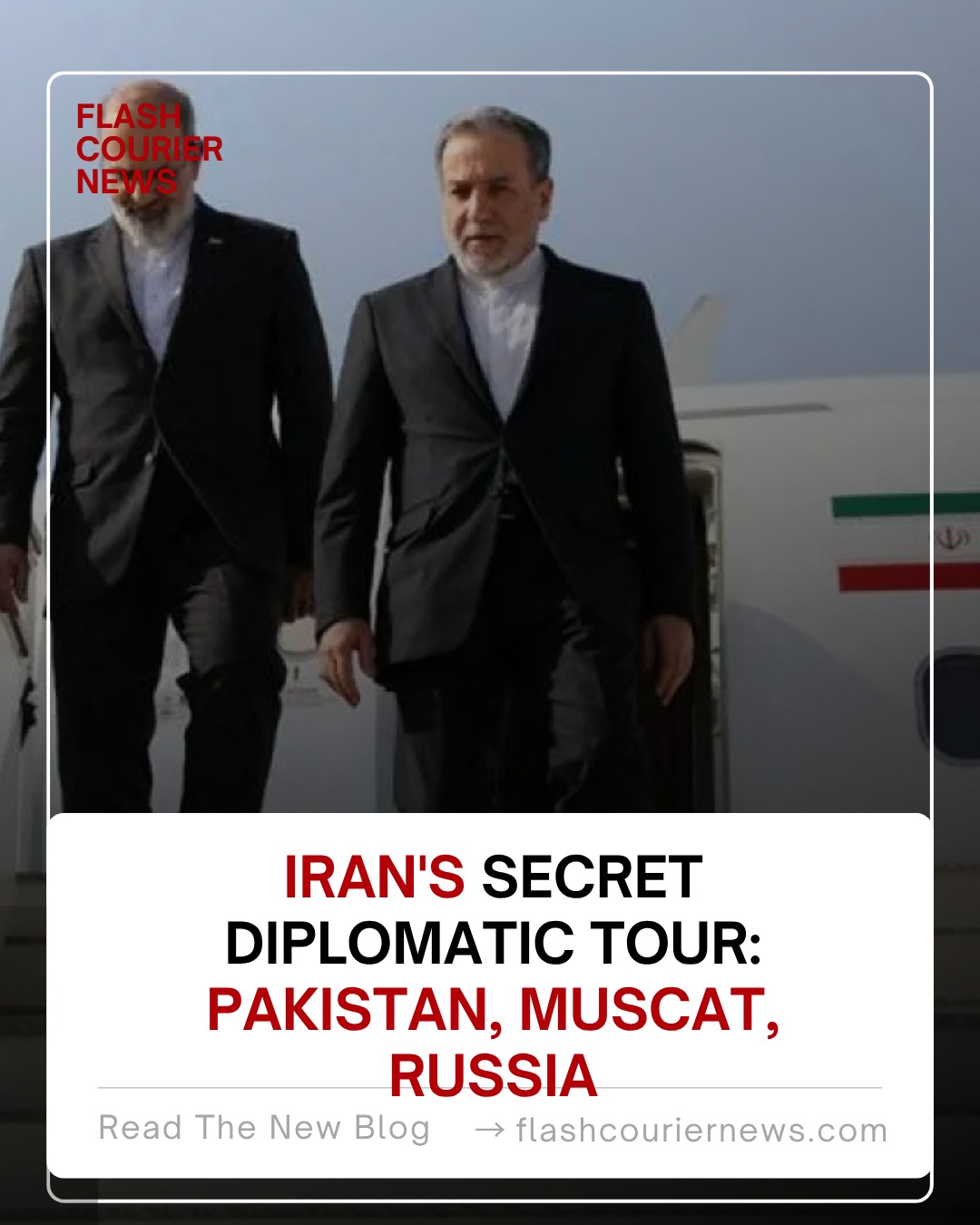
Iran Opens Indirect Talks in Islamabad without the US
Islamabad, Pakistan: An Iranian diplomatic delegation is scheduled to arrive in Pakistan’s capital tonight for official peace negotiations with the goal of reducing tensions in the region. As a neutral host, Pakistan has offered a discrete and organized setting for the preliminary talks.
This gathering is purposefully low-key, in contrast to high-profile summits. Iran preferred the modest approach, indicating a desire for substance over show, according to regional diplomatic sources.
The United States: Conspicuously Absent
There are no American representatives in Islamabad.
Observers observe that this is a deliberate action rather than an oversight. Tehran indicates that it is reluctant to deal directly with the United States, at least not just now, by keeping Washington out of the first phase.
According to a former Pakistani official with knowledge of the negotiations, “Iran is open to dialogue, but not on terms dictated by Washington.” “They prefer separation over direct interaction.”
Muscat and Moscow
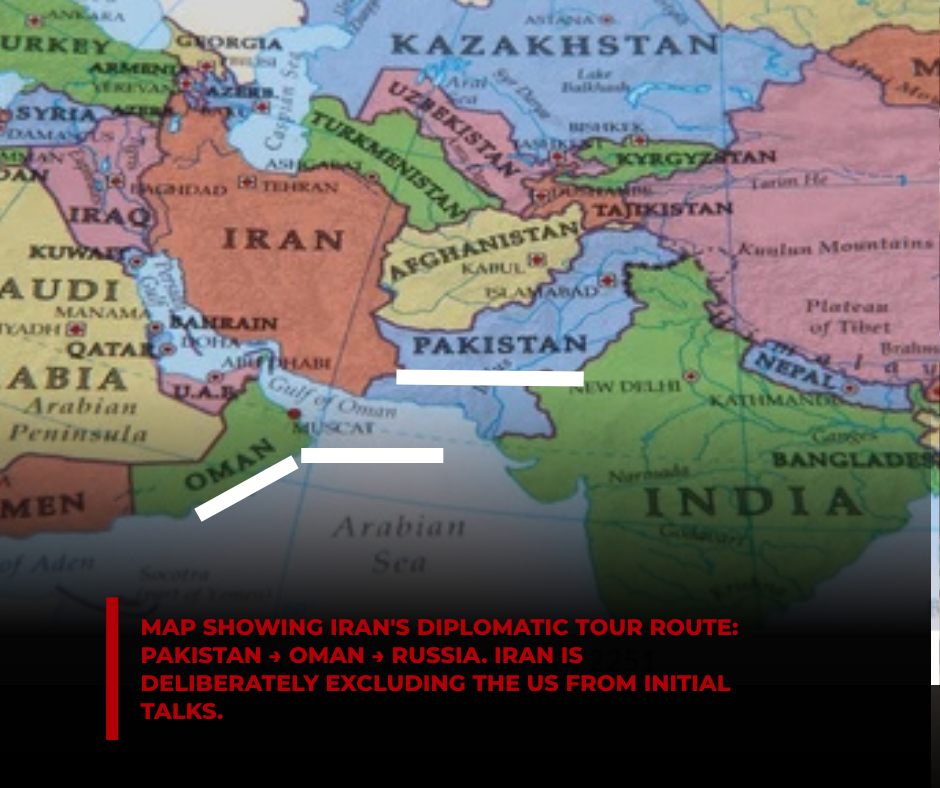
Only the first stop on a three-city tour is Pakistan.
The Iranian squad will travel by plane from Islamabad to Muscat, Oman, and then to Moscow, Russia. Every site has a distinct function:
| City | Role in Iran’s Strategy |
| Islamabad | Neutral, low-profile starting point |
| Muscat | Trusted mediator with a history of discreet US-Iran backchannels |
| Moscow | Strategic heavyweight with military & economic ties to Tehran |
Iran hopes to create a multi-layered guarantee structure by connecting these three capitals, something that no single Western nation has been prepared to provide.
Why Iran Distrusts Washington Directly
Tehran’s approach is rooted in recent history.
2018: Iran complied with the conditions of the Joint Comprehensive Plan of Action (JCPOA), but the US unilaterally withdrew from it.
Post-2018: Iran lost billions of dollars in oil revenue as a result of the US reimposing sanctions.
Broader pattern: Iranian authorities contend that such promises are unreliable because a new administration may undo US political pledges.
Tehran is no longer looking to Washington for direct assurances. Rather, it seeks third-party guarantors—reputable countries on both sides.
The Role of Oman and Russia
Through years of silent, leak-free mediation, Oman has gained Tehran’s trust. In earlier backchannel negotiations between the US and Iran, Muscat discreetly facilitated without making any public statements.
Russia offers distinct leverage. Air defense systems, energy cooperation, and United Nations Security Council coordination are just a few of the major military and commercial interests that Moscow already has with Iran.
Iran establishes a dual assurance structure by incorporating both:
- Oman provides private mediation and diplomatic cover.
- Russia offers hard-power support and strategic weight.
Both Moscow and Muscat would serve as reliable third-party observers if a future US-Iran agreement is reached, making it more difficult for any side to exit unilaterally. And Tehran is in dire need of one after years of unfulfilled promises.
Pakistan’s Role: Quiet but Constructive
Pakistan should be commended for its sophisticated, covert mediation.
Without requesting political influence or making large public declarations, Islamabad provided its territory. The estimate is practical for Pakistan:
- Regional stability serves its own security interests.
- When mediation is successful, Pakistan’s standing as a reliable international negotiator is strengthened.
- In the vicinity of Pakistan’s western border, spillover dangers are decreased by the de-escalation between Iran and the US.
🇵🇰 Original perspective from this blog: As a Pakistani writer, I have witnessed firsthand how trade and security in regions like Balochistan have been directly impacted by the unrest on our western border with Iran. Ordinary Pakistanis may benefit from reduced import costs and fewer cross-border interruptions if these negotiations are successful. For individuals like you and me as much as for global powers, this diplomacy is crucial.
“Pakistan is not seeking headlines,” one official close to the talks told Reuters (anonymously). “We are seeking results.”
What Comes Next?
Iran’s diplomatic visit of several cities indicates no impending breakthrough. Rather, Tehran is systematically constructing a different structure in which no single country, particularly the US, has the ability to unilaterally veto an accord.
It’s unclear if Washington will tolerate indirect, assured negotiations. However, Iran has made it quite clear that it will no longer make unanchored pledges.
Why This Is Important Outside of Diplomacy
Iran’s covert diplomacy may result in the following for the typical Middle Eastern or South Asian:
- Reduced oil prices if tensions lessen
- Decreased likelihood of a regional conflict (reduced likelihood of a military conflict between the United States and Iran)
- Additional trade routes via Oman and Pakistan
🇵🇰 Another ground-level take: According to my personal interactions with Lahore’s tiny vendors, many are concerned that a crisis between the US and Iran might cause fuel costs to jump overnight. They may plan their operations without worrying about unexpected economic shocks thanks to a peaceful, assured agreement.










Leave a Reply