
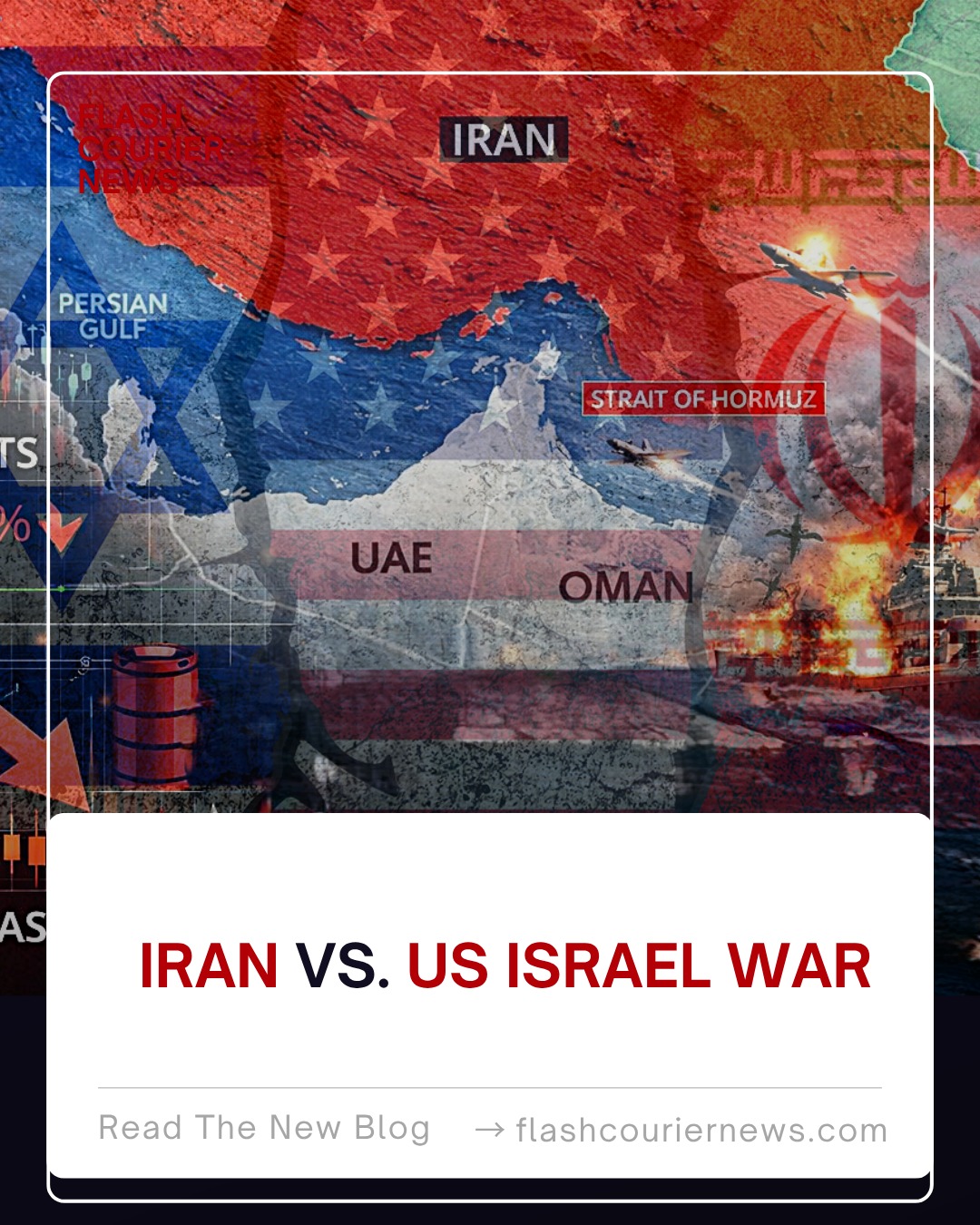
Iran’s geopolitical strategy has shaped the Middle East for decades. As one of the region’s most strategically significant nations, Iran’s large oil and natural gas reserves, strategic location, and complex history with Western countries directly affect regional stability and global energy markets.
The 1953 Coup—Where Distrust Began
Mohammad Mossadegh nationalized Iran’s oil industry in 1951 after Britain had controlled it for decades.
- The oil and land belonged to Iran, but Britain retained the majority of the earnings.
- Iran had the first claim to its own resources, according to Mossadegh.
This was viewed as a danger by the United States and Britain. During the Cold War, the US worried that Mossadegh might side with the Soviet Union, and Britain lost money.
- In 1953, the CIA and MI6 (British intelligence) began Operation Ajax.
- Mossadegh was put under house arrest after losing his position of authority.
- The Shah (Mohammad Reza Pahlavi) was established as a monarch who supported the United States.
This was a pivotal moment for many Iranians. Western powers had ousted a democratically elected leader. Iranian anti-American attitude, including the well-known catchphrase “Death to America,” is sometimes attributed to this incident.
🇵🇰 Perspective from this blog: As a Pakistani blogger, I see similarities in our own history, where outside forces have impacted regional politics. Iranians still remember the 1953 coup, much as comparable incidents continue to influence public perception throughout South Asia.
The Nuclear Gift — US Gave Iran Nuclear Technology:
The United States started the “Atoms for Peace” initiative in 1957. Sharing nuclear technology for peaceful uses, such as energy, agriculture, and medicine, was the aim.
What the US provided to Iran:
- The Nuclear Research Center in Tehran
- Nuclear medical devices for thalassemia and cancer treatment
- Iranian scientists receiving training at MIT in the United States
The US actively backed Iran’s peaceful nuclear development for many years. Nuclear imaging has assisted in the diagnosis and treatment of hundreds of individuals with thalassemia, a blood condition that is most prevalent in Iran.
The irony today: The US currently spends billions to stop Iran from enriching uranium, a technology that the US first assisted Iran in developing.
The new Islamic Republic of Iran severed relations with the United States following the revolution of 1979. American officials started to worry that Iran’s nuclear program would be utilized for more than simply peaceful objectives. Since then, several US administrations have attempted to curb Iran’s nuclear activity through diplomatic agreements such as the Joint Comprehensive Plan of Action (JCPOA, 2015) and sanctions.
The Petrodollar System — How Oil Built US Dominance
Before 1971, gold backed the US dollar, and any nation could exchange one ounce of gold for $35. However, President Richard Nixon made a historic shift when France and other countries started requesting gold rather than dollars.
The Nixon Shock — August 15, 1971: The US said that it would no longer trade gold for US dollars. Demand and trust, rather than a tangible good, no longer determined the value of the dollar.
The US needed a new anchor for the dollar. They chose oil.
In 1974, the United States and Saudi Arabia reached a secret agreement:
- Conditions of the US-Saudi Agreement of 1974
- Saudi Arabia would exclusively sell its oil in US currency
- The proceeds to purchase US Treasury bonds.
- Saudi Arabia would receive military defense and security assurances from the US.
Saudi Arabia persuaded other OPEC countries, such as Kuwait, Iraq, and the United Arab Emirates, to price oil in dollars within a year.
Why was genius for the US?
- Any nation needed funds before it could purchase oil.
- As a result, there was a steady demand for US dollars worldwide.
- The US could issue Treasury bonds to borrow money.
- America established its geopolitical and economic dominance.
We refer to this arrangement as the petrodollar system. It is still mostly in use today.
What happens if a country tries to sell oil in another currency:
- In 2000, Saddam Hussein of Iraq converted to euros. He was deposed in 2003.
- Muammar Gaddafi of Libya suggested an African currency backed by gold. In 2011, he was deposed.
- Iran is subject to harsh US penalties for trying to export oil in Chinese yuan and euros.
🇵🇰 Economic reality check: The petrodollar system has a daily impact on the average Pakistani. When global oil prices rise, our import bills climb. Everything from gasoline to packaged food costs more as the dollar appreciates versus the rupee. Iran’s challenge to this structure has significant economic ramifications for South Asia in addition to being geopolitical.
The Axis of Resistance — Iran’s Regional Strategy
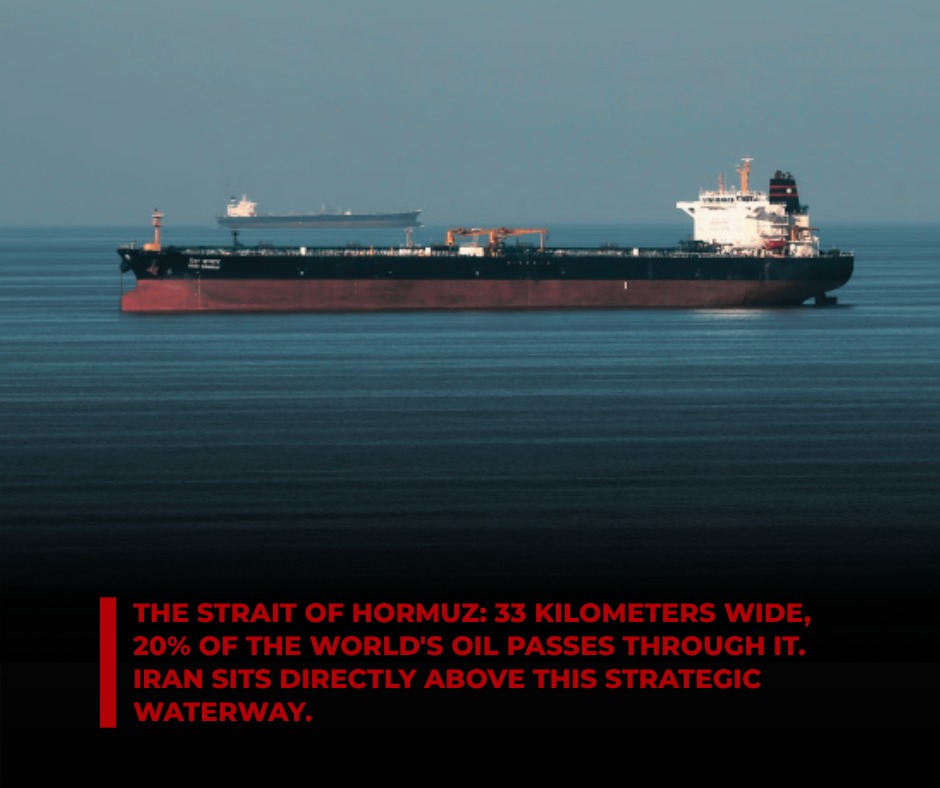
Iran has established a network of allies around the Middle East rather than using military force to directly confront the United States. Iran refers to this as the “Axis of Resistance.”
| Group | Country | Role |
| Hamas | Palestine | Fights Israel; receives Iranian support |
| Hezbollah | Lebanon | Powerful militia and political party; backed by Iran |
| Houthis | Yemen | Controls much of Yemen; supported by Iran |
Why Iran supports these groups:
- To oppose Israel without engaging in combat
- to oppose royal dynasties with ties to the United States (Saudi Arabia, UAE)
- to become influential throughout the Arab world
How Arab Gulf states view this:
Iran’s network poses a direct threat to Saudi Arabia and the United Arab Emirates. They worry that Iran might spark uprisings or revolutions inside their own boundaries. Consequently, both countries have fortified their military ties with the United States.









Leave a Reply