
Today, there is a severe moral authority issue in the world. In contemporary international relations, power frequently triumphs over principle. This fact compels us to look again at the past for direction. Iraq’s ancient sands have a timeless story.
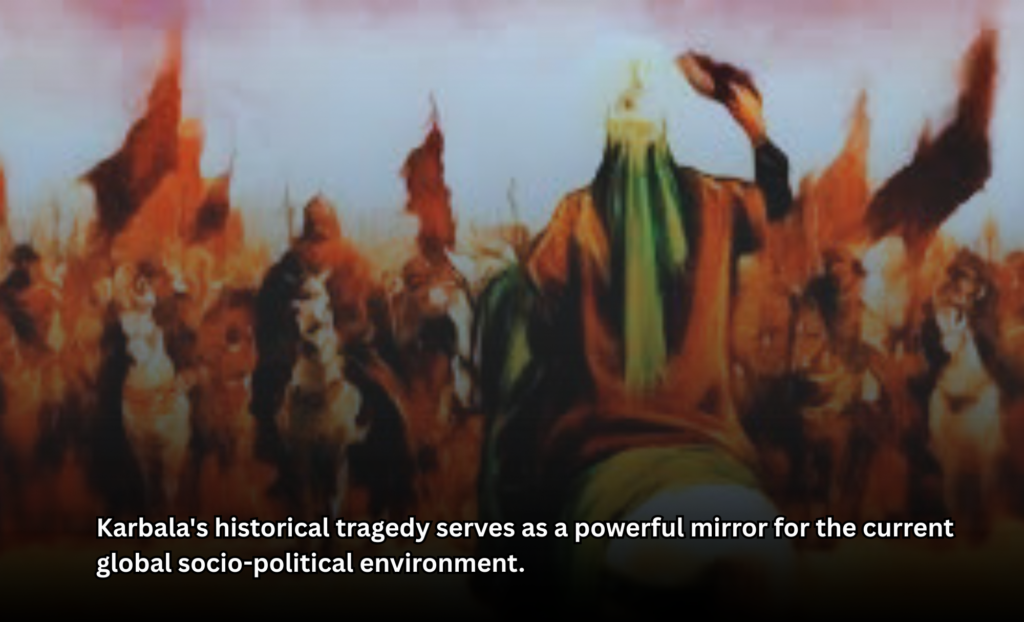
Karbala’s historical tragedy serves as a powerful mirror for the current global socio-political environment. More than thirteen centuries ago, this incident took place. Nevertheless, its basic point is still remarkably current. It directly addresses systematic oppression in the modern world. A tiny group’s sacrifice actively challenges the modern conscience.
Battle of Karbala Data Summary (680 CE)
| Feature | Historical Date |
| Date of Battle Location Opposing Leaders Force Asymmetry Primary Outcome Modern Pilgrims | October 10, 680 CE Karbala, Modern-day Iraq Husayn ibn Ali vs. Yazid I ~72 Men vs. Thousands of Soldiers Martyrdom of Husayn & Companions Up to 40 Million Annually |
The Historical Crucible of 680 CE
Truth and absolute tyranny faced off in the basic conflict of Karbala. The Prophet Muhammad’s grandson was Imam Husayn ibn Ali. He declined to swear loyalty to Yazid I, the Umayyad caliph. Yazid stood for a dynastic succession system that was corrupt. He demanded obedience by using force.
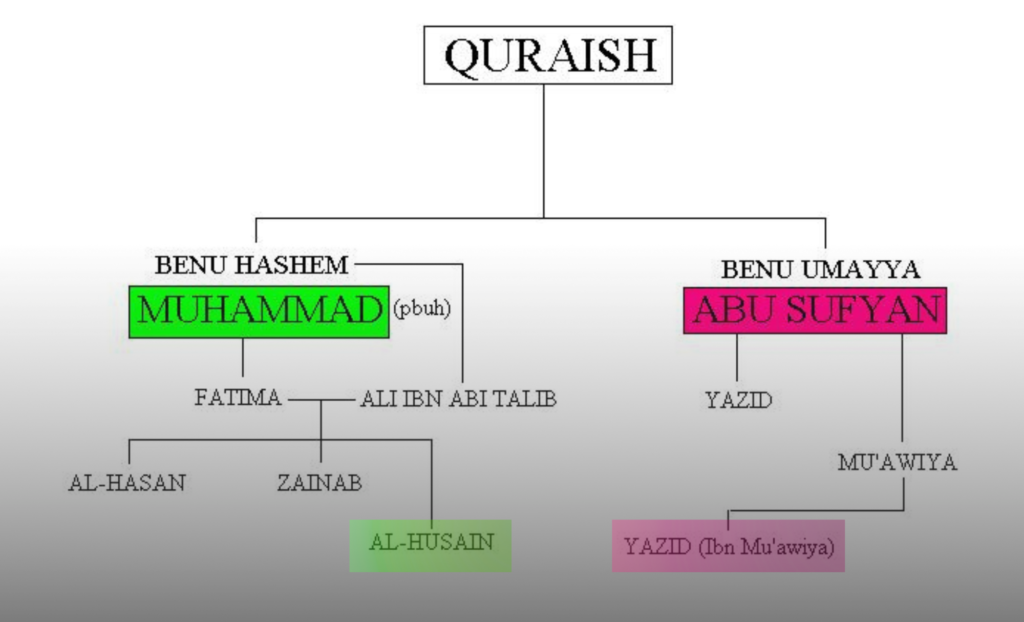
Husayn made the decision to oppose this systemic corruption. Along with his close relatives and friends, he crossed the desert. An army of thousands intercepted his little convoy of seventy-two fighting men. Ubayd Allah ibn Ziyad, the governor, prevented them from getting water. Under a scorching sun, the siege continued for days.
Ultimately, the opposing forces fought the last battle on the tenth of Muharram. People worldwide call this day Ashura. The greatly outnumbered resistance battled bravely. One by one, Tyranny massacred the defenders. The troops slew Husayn’s infant son, Ali Asghar, using a three-pronged arrow. The army massacred nearly all of the household’s male members.
Linking the Past to Modern Oppression
The echoes of Karbala clearly define current geopolitical conflicts. Today, we see the same fundamental imbalances in conflict areas around the world. Strong state actors use cutting-edge weapons against trapped civilian populations. Blockades deprive innocent communities of food, medicine, and water.
Karbala’s historical legacy influences contemporary political opposition. A common quote used by activists is “Every day is Ashura, every land is Karbala.” This phrase creates an active revolutionary framework out of a historical occurrence. It motivates underprivileged groups to demand fundamental human dignity.
Structural Trajectory of Resistance
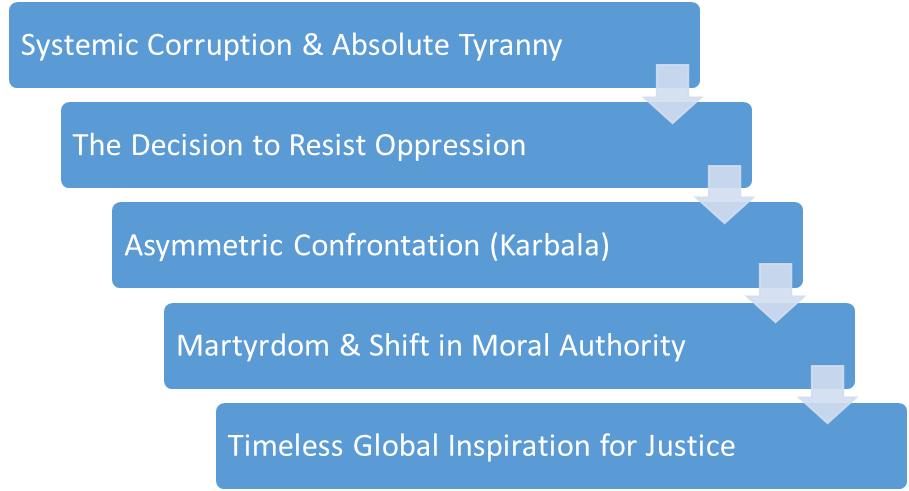
Global corporate and political control reflects the old Umayyad system. Today, powerful syndicates control important global resources. They use economic censorship to stifle dissident voices. Karbala’s contemporary echoes serve as a reminder to question these centralized structures. Unwavering ethical consistency is necessary for true justice.
The Role of Women in Post-Crisis Narrative
The battlefield was not the end of the Karbala saga. Following the martyrs’ slaughter, the physical altercation ended. Then, in the courts of power, a crucial narrative struggle started. The captors severely humiliated the surviving captives in public.
Zaynab bint Ali, Husayn’s sister, entirely changed the dynamics of imprisonment. The guards bound her in front of the rulers in Damascus and Kufa. Zaynab criticized the illegitimate government in scathing statements. She made the public aware of the horrors committed by the regime. Her remarkable eloquence preserved the sacrifice’s true meaning.
Her example is extremely important to contemporary human rights struggles. Today, women are in the forefront of resistance movements all across the world. They oppose autocratic governments in the Middle East and elsewhere. They won’t allow corporate media to distort their communities’ misery. Truth overthrows tyranny, as Zaynab’s legacy demonstrates.
The Pervasive Danger of Moral Passivity
The tragedy at Karbala shows a terrible reality of human society. The Kufa residents had pledged to back Husayn. They begged for his leadership in thousands of letters. However, fear of official reprisals soon immobilized them completely.
They prioritized individual security over social justice. Their silence killed the Prophet’s grandson. This historical treachery cautions us about the peril of contemporary cooperation. Passivity always aids and abets systemic oppression.
We can observe this exact passivity in contemporary international organizations. International organizations frequently observe crimes without taking significant action. While corporations profit from human suffering, they make ambiguous remarks. Karbala’s contemporary echoes call for active solidarity. Everywhere, we have to speak out against injustice.
Editor’s Perspective / Expert View
Karbala’s contemporary resonances go beyond simple religious feelings. They serve as a powerful model for proactive political opposition. Western scholars often misinterpret this historical event. They rigorously classify it as a sectarian grievance. This limited viewpoint totally ignores the story’s universal truth.
Husayn and Yazid’s clash serves as a timeless architectural model for human conflict. It pinpoints the precise point at which governmental power gives way to moral authority. Today’s governments consider military supremacy to be equivalent to legitimacy. Karbala demonstrates how military triumphs may be devastating moral setbacks.
I believe that grassroots activity around the world will be more motivated by this historical perspective. The global south challenges neo-colonial economic systems actively. These groups identify with the famished Euphrates defenders. They identify contemporary leaders who employ Yazid’s strategies of sanctions and blockades.
Digital Protests and Global Awakening
Additionally, this antiquated story is amplified by digital connectivity. Social media makes it possible to quickly draw parallels between historical tragedies and contemporary violations of human rights. The sensory horrors of Karbala are directly relatable to current issues for a young campaigner in London. The smoke from burning tents in 680 CE looks exactly like the smoke from bombarded modern-day cities.
We must realize that people will never forget these memories. The yearly assembly of millions in the sacred city of Karbala issues an enormous geopolitical warning. It exhibits a communal awareness that opposes oppression. Coercion-based power regimes are intrinsically unstable. They will constantly encounter opposition motivated by the Prophet’s grandson.
Our global society has to decide between bravery and acquiescence. For the sake of financial convenience, we can continue to put up with systematic oppression. Alternatively, we could follow the seventy-two defenders’ unshakeable morals. Karbala’s contemporary echoes reassure us that defending the truth is never a losing cause.
The Path Toward Universal Human Dignity
A complete change in human priorities is necessary to achieve true justice. We must destroy the systems that prioritize profit over human lives. Personal responsibility is the first step in this process. All citizens must aggressively reject corrupt systems.
National borders must not be a barrier to international solidarity. Nations cannot selectively disregard human rights abuses for political reasons. It is impossible to separate true human dignity. Regardless of their location, color, or creed, we must stand up for the downtrodden.
This history’s global legacy unites people from different cultural backgrounds. Husayn’s extraordinary endurance served as a direct source of inspiration for leaders such as Mahatma Gandhi. Gandhi noted that he discovered how to win while facing oppression. For contemporary nonviolent resistance movements, this timeless knowledge provides a clear route ahead.










Leave a Reply