
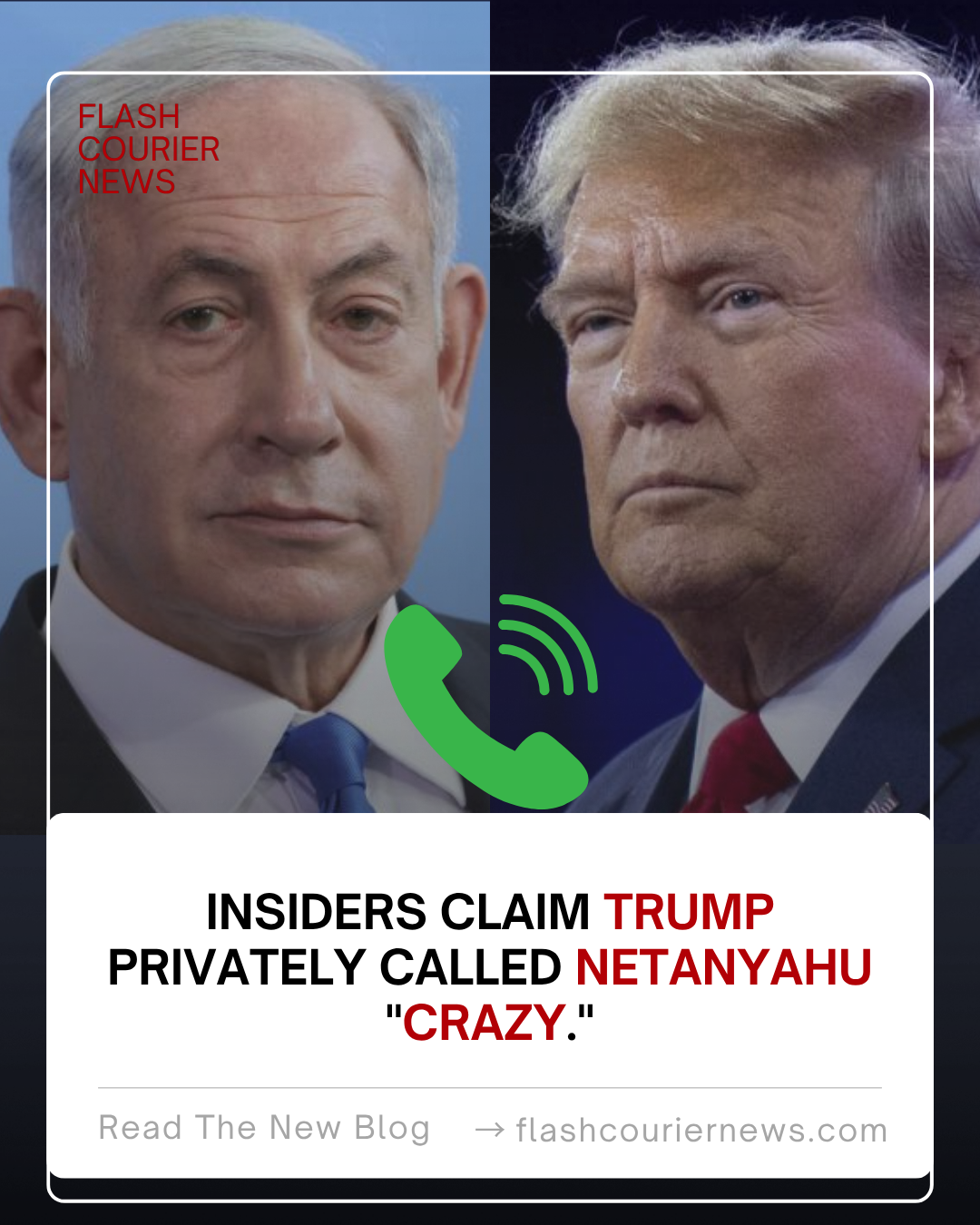
The Shocking Leak Shaking Washington and Jerusalem
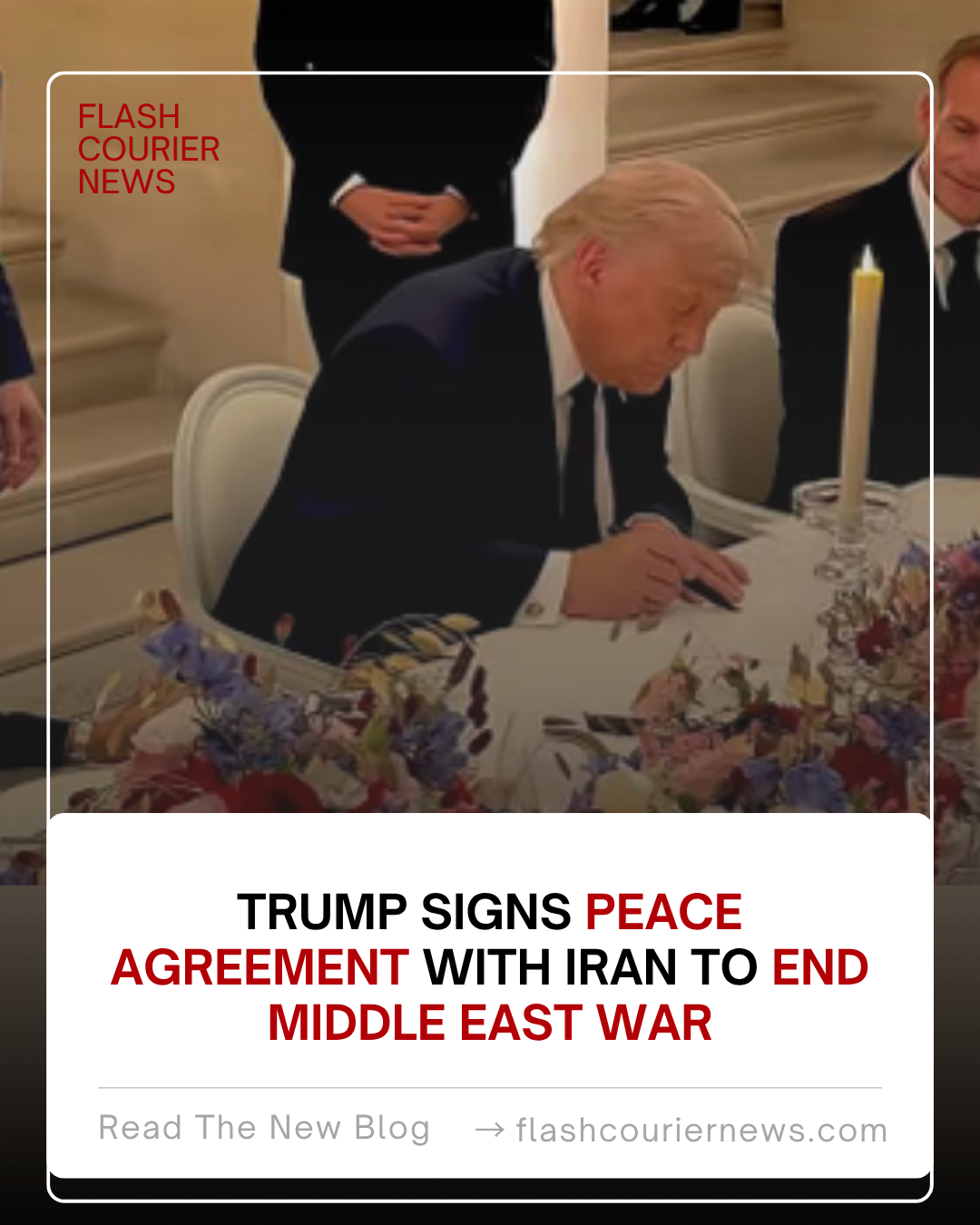
A massive diplomatic storm currently engulfs Washington and Jerusalem following explosive leaks regarding behind-the-scenes interactions. According to reports, during an intense private phone call, Donald Trump recently chastised Benjamin Netanyahu. The Israeli prime minister’s current military and political tactics drove the former US president to declare him insane.
This unexpected development immediately sparked intense concern across major media networks and international diplomatic corridors. Global political observers and journalists are rushing to confirm the precise nature of this high-stakes conflict. Consequently, widespread reports of a Trump-Netanyahu conflict compel leading analysts to reconsider the fundamentals of US-Israel ties.
The purported verbal argument is a startling break from their close public relationship in the past. The two leaders regularly presented a picture of perfect ideological alignment during Trump’s first term. Now, this unexpected friction threatens to reshape the future of Middle Eastern geopolitical strategies completely.
Deconstructing the Alleged Private Clash
The specifics of the disclosed confrontation paint a clear picture of serious tactical disagreement. According to sources, Trump became extremely irritated with Netanyahu’s long-term military plans and the possibility of regional escalation. According to reports, the leaders’ refusal to compromise their different viewpoints on policy caused the conversation to spiral out of hand.
Trump was furious with Netanyahu’s handling of recent security talks with Arab nations in the region. According to the former president, the current Israeli strategy deliberately harms larger American diplomatic objectives. As a result, Trump criticized the prime minister’s long-term operational goal using remarkably severe words.
Both sides’ diplomatic assistants acted swiftly to lessen the bombshell leak’s political consequences. There was no hostile exchange between the two figures, according to Jerusalem’s official declarations. But seasoned political insiders attest that underlying tensions have been simmering for months behind closed doors.
Senior Analysts Evaluate the Political Authenticity
Senior intelligence and political analysts quickly questioned the absolute reality of these extreme friction claims. Numerous experts feel that political rivals purposefully released the news to cause a strategic split. See the internal guide on Middle East diplomatic movements for a more thorough understanding of how different narratives affect regional stability.
Trump regularly employs tough speech as a planned bargaining strategy, according to analysts. In order to persuade allies into implementing his preferred policy frameworks, he frequently chastises them in private. As a result, a contentious phone conversation does not always indicate that the alliance will end permanently.
Furthermore, Netanyahu is under intense political pressure from his own conservative coalition government in Israel. A public altercation with a prominent American political figure might seriously damage his domestic reputation. Because of this fact, seasoned intelligence experts find the timing of the leak to be extremely suspect.
The Strategic Motivations Behind the Leaked Narrative
Right now, we need to look at who stands to gain the most from disseminating these dramatic reports of a Trump-Netanyahu conflict. Several geopolitical actors desire an apparent rift between the Israeli government and conservative American officials. In order to undermine collective deterrence, foreign foes aim to portray the West as divided.
| BENEFICIARIES OF DIPLOMATIC LEAKS | ||
| ACTOR | MOTIVATION | EXPECTED OUTCOME |
| Regional Rivals Domestic Rivals Media Outlets | Exploit Divisions Political Leverage High Traffic Yield | Weaken Deterrence Caps Lower Election Poll Numbers Maximum Reader Engagement |
| Source: Global Strategic Intelligence Assessment Group (2026) | ||
Domestically, political competitors use these narratives to paint Trump as an unpredictable and untrustworthy foreign policy manager. They contend that his erratic temper puts important, established national security alliances at risk. During fiercely competitive national election cycles, this narrative acts as potent artillery.
On the other hand, some Republican strategists think that Trump benefits from the leak in terms of moderate American voters. It shows that he does not blindly give foreign leaders his unqualified approbation. It is really challenging to understand the entire scenario because of this intricate web of motivations.
Editor’s Perspective: A Calculated Performance of Power
I see both sides of this dispute as a masterfully staged political play. Readers must ignore sensationalized headlines about yelling matches and absurd charges. Rather than a true diplomatic breakup, this leak is a smart calibration of power.
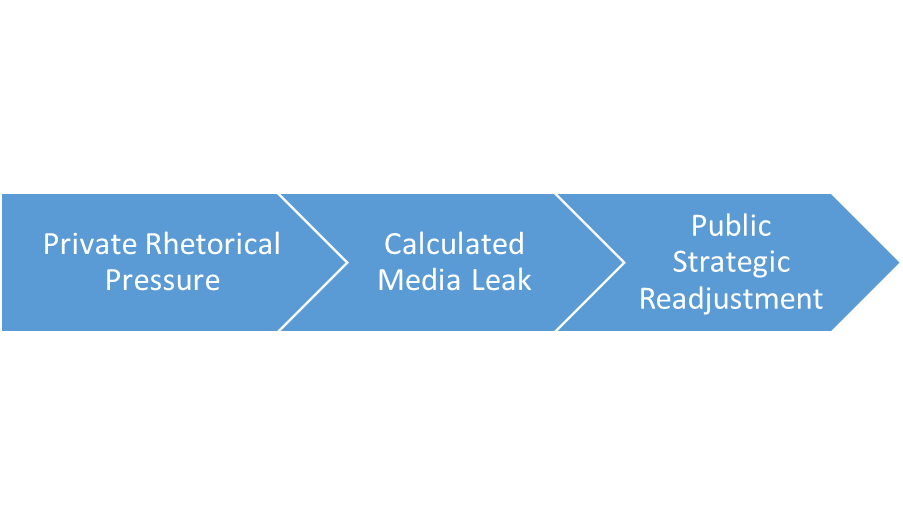
Trump is aware that his political base requires complete allegiance to the state of Israel. He is aware, though, that American voters are extremely tired of never-ending military conflicts abroad. Trump deftly presents himself as a strong leader who puts the interests of the United States first by criticizing Netanyahu in private.
I believe that going future, Jerusalem will take a more disciplined diplomatic stance as a result of this conflict. Netanyahu is aware that he cannot afford to completely lose the support of the American conservative elite. He will probably change his public statements to better support Trump’s economic objectives.
This crucial, multi-decade geopolitical alliance is not likely to permanently disintegrate very soon. Israel and the United States have much deeper institutional links than any two persons. This dramatic occurrence only highlights the complex, transactional nature of contemporary international statecraft.
Historical Fractures in US-Israel Foreign Policy
There have undoubtedly been other instances of conflict between Israeli and American leaders behind closed doors. History demonstrates that periods of severe policy conflict are common between these two major nations.
President Ronald Reagan halted crucial aircraft supply to Israel in the 1980s in response to haphazard regional military actions. President Barack Obama and Netanyahu publicly disagreed over the intricate Iranian nuclear deal decades later. However, the fundamental strategic alliance withstood every one of those historical crises.
| HISTORICAL US-ISRAEL FRACTURES | ||
| ERA / PRESIDENT | CORE CONFLICT | RESOLUTION OUTCOME |
| Reagan (1981) Obama (2015) Trump (2026) | Baghdad Air Strike Iran Nuclear Deal Tactical Timelines | Temporary Asset Suspension Continued Defense Funding Ongoing Strategic Realignment |
These historical examples demonstrate that conflict between the public and private spheres is common among elite coalitions. Strong nations don’t always use the same tactical strategies to accomplish their objectives. The current noise simply reflects the high-stakes nature of contemporary Middle Eastern security dynamics.
Future Trajectory: What Happens Next to the Alliance?
Future defense and diplomatic talks will show the long-term effects of these Trump-Netanyahu dispute reports. Soon, both leaders will look for a highly conspicuous public platform to show their continuous solidarity. In the near future, anticipate a coordinated policy statement or a combined press conference.
- Coordinate Strategic Timelines: Align American diplomatic goals with Israeli military operational schedules.
- Increase Intelligence Security: To stop future harmful media leaks, tighten internal communications.
- Launch Joint Initiatives: To project complete stability, announce new technological or economic alliances.
- Reassure Key Benefactors: To obtain continued funding, hold private briefings with significant political contributors.
In the end, shared geopolitical dangers will always force these two countries back into a close embrace. There is no actionable security gap here for hostile regional actors to take advantage of. After this media storm, the partnership will be fully intact and strategically refocused.





Leave a Reply