
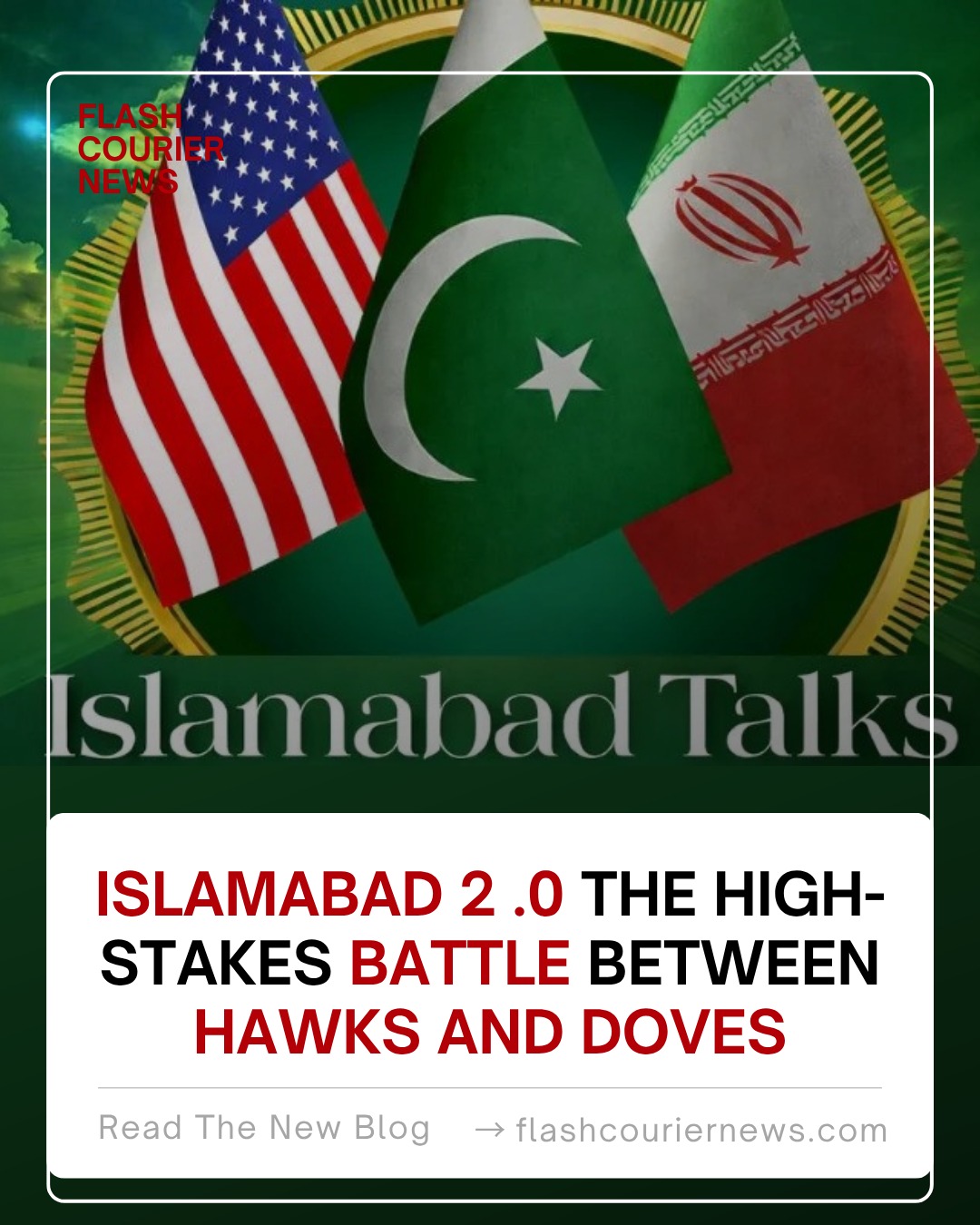
Islamabad Talks 2026: US and Iran Face High-Stakes Negotiations:
The capital of Pakistan is now the epicentre of intense diplomatic activity. As the US and Iranian delegations get ready for crucial talks, unprecedented security measures are in place.
The talks, informally called “Islamabad 2.0,” aim to address nuclear concerns, economic sanctions, and regional tensions. This article explains what is at stake and why Pakistan is hosting these critical discussions.
Why Islamabad?
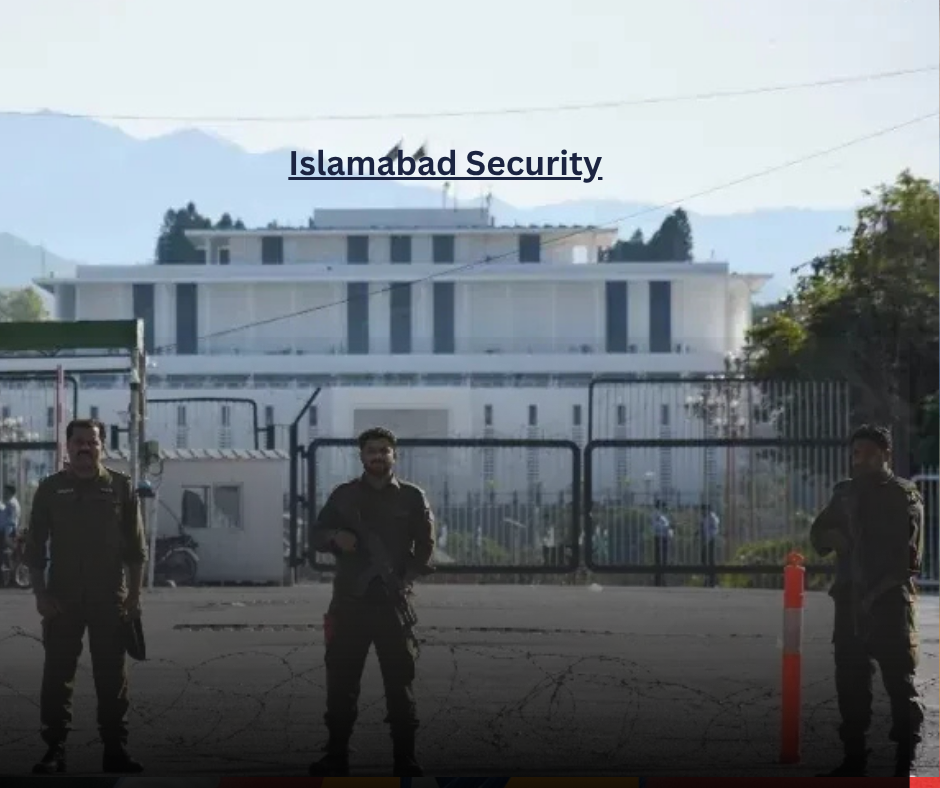
Pakistan has become a reliable intermediary between Iran and the United States. Pakistan continues to have cooperative ties with both countries, in contrast to other countries.
Several factors make Islamabad an ideal venue:
- Geographic proximity to both nations
- Established diplomatic channels with Tehran and Washington
- Proven ability to host sensitive talks (previous round in 2025)
There is now much more security in the capital. The organisers have set aside large hotels just for international delegations. US military planes carrying security and diplomatic personnel have touched down at Noor Khan Airbase.
Vice President JD Vance is in charge of the American delegation. President Masoud Pezeshkian and Foreign Minister Abbas Araghchi are among the Iranian delegates.
Iran’s Internal Divide
Iran does not speak with a single voice, which is one of the main obstacles in these negotiations. There are two factions in the nation.
| Faction | Position | Key Figures |
| Doves (Moderates) | Want to reduce tensions, save the economy, accept nuclear limits | President Pezeshkian, Foreign Minister Araghchi |
| Hawks (Hardliners) | Resist Western demands, distrust US intentions | IRGC military leaders |
The moderate group is willing to unfreeze billions of dollars’ worth of global assets in exchange for capping nuclear enrichment at 3.67%. This strategy is openly opposed by the hardliners. Negotiations are very challenging because of this internal conflict.
Economic Pressure and Military Tensions
The region is under severe economic strain. The United States has deployed naval forces to enforce sanctions on Iranian oil.
Recent incidents have raised tensions:
- US forces intercepted an Iranian oil tanker in the Gulf of Oman
- Iran reportedly targeted tankers flying Indian flags in response
- A fragile ceasefire exists in Lebanon with a buffer zone
Different demands are made by each side. A 20-year moratorium on nuclear activity is what the US wants. Iran favours a cap of five years. A 10- to 12-year compromise might be the only way forward, according to analysts.
Pakistan’s Growing Role as Mediator
Pakistan’s foreign policy has changed as a result of these discussions. The nation is shifting from its customary emphasis on India to becoming a supplier of regional security.
Benefits are already appearing:
- Saudi Arabia released $1 billion in financial support
- Pakistan is securing energy supplies from Qatar
- Local power shortages may ease as a result
Achieving success in these discussions may result in even greater benefits. An agreement could increase the amount of Iranian oil available on international markets by 4 million barrels per day. The global economy would be greatly impacted by that.
What Happens Next?
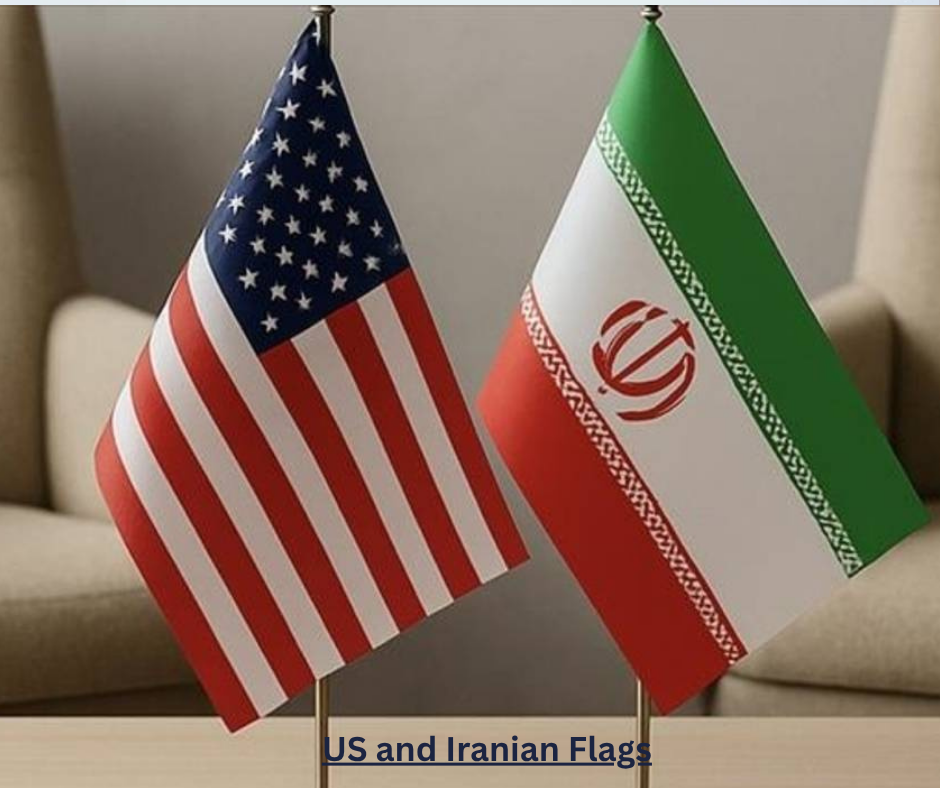
The next few days will determine whether these talks succeed or fail.
If an agreement is reached:
- Iranian assets would be unfrozen
- Nuclear enrichment would be capped
- Regional tensions would decrease
If talks collapse:
- Naval blockades could continue or expand
- Economic pressure on Iran would increase
- Risk of military confrontation grows
It also affects Pakistan’s standing as a mediator. A successful deal would strengthen Islamabad’s standing as a major actor in international affairs.
One of the year’s most significant diplomatic events is the Islamabad talks. Success is challenging but not impossible due to regional tensions, a divided Iran, and strong US demands.
Pakistan has positioned itself as a neutral mediator. Time will tell whether that is enough to bridge the gap between hawks and doves.
Islamabad is the centre of attention.









Leave a Reply