
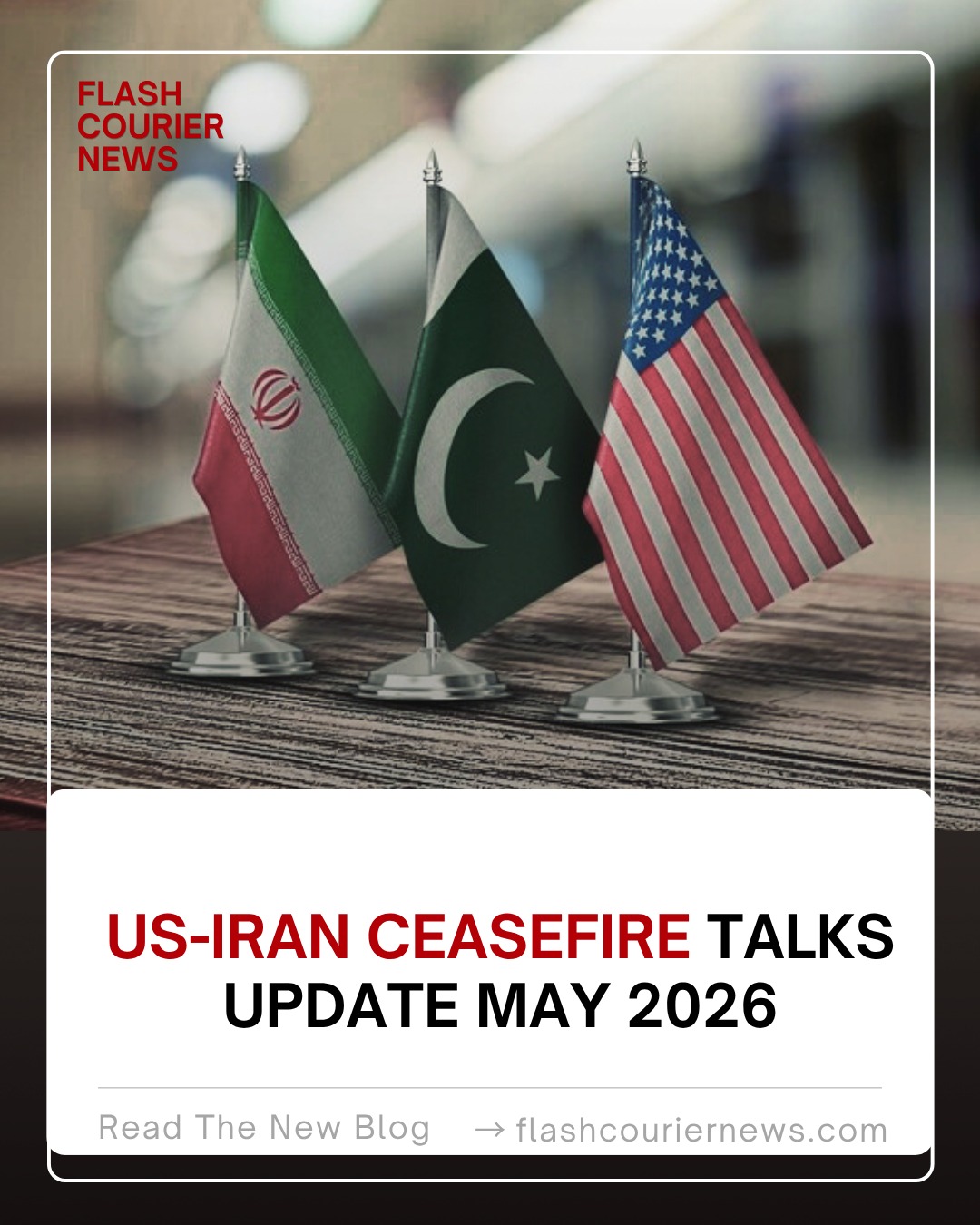
US-Iran ceasefire talks are at a critical juncture after being in effect since early April 2026. The fragile truce is now severely strained as both sides wait for a breakthrough in negotiations. Recent confrontations in the Strait of Hormuz have further tested the agreement, raising concerns over whether US-Iran ceasefire talks can lead to lasting peace.
Current Situation of War
Despite recent gunfire, a month-long truce mediated by Pakistan is still in effect. Despite events between US Navy vessels and Iranian soldiers in the Strait of Hormuz, US President Donald Trump said the truce is still in place.
Key recent developments:
- In order to put an end to the fight that started in late February 2026, the US is expecting Iran’s official response to a new peace offering.
- Around the Strait of Hormuz, fighting broke out, with each side accusing the other of infractions. Iran accused the US of violating the truce, while the US justified its actions as self-defense.
- Marco Rubio, the Secretary of State, expressed optimism that Tehran would make a “serious offer.”
- If Iran does not reach an agreement quickly, Trump has threatened to take even more drastic measures.
Background
Due to the conflict’s sharp escalation earlier in 2026, there was a brief two-week ceasefire on April 8 that was later extended.
- Key concerns consist of: Reopening the Strait of Hormuz is essential for about 20% of the world’s supplies of LNG and oil.
- Parts of the US naval blockade on Iranian ports are lifted.
- Protracted disagreements about Iran’s nuclear program (with varying suggestions for the duration of the enrichment moratorium).
Pakistan has played a key mediation role, while indirect talks continue.
Why the Strait of Hormuz Matters
The flashpoint is still this small stream. Global energy markets, oil pricing, and shipping have already been disrupted by disruptions. A key component of any long-term accord is probably a successful reopening.
Short-term (Next Few Days) in Islamabad:
- Iran is examining the US proposal “at its own pace.” As of May 9, there has been no official reaction.
- There is still diplomatic pressure. Immediate de-escalation measures, including the partial reopening of maritime lines, might result from a favorable Iranian response.
Medium-term (Next Weeks):
- A 30- to 60-day interim period for more discussions on nuclear concerns, sanctions relief, and regional security may be included in a framework agreement.
- Both parties seem motivated to prevent a full-scale restart of hostilities, but failure to reach a consensus could result in fresh escalation.
Potential Outcomes:
Optimistic: wider discussions and stable Hormuz traffic as a result of the interim accord.
Pessimistic: prolonged impasse with intermittent fighting and ongoing economic hardship on both sides.
Most Likely: Prior to addressing more difficult topics, the phased agreement concentrated on marine security.










Leave a Reply