
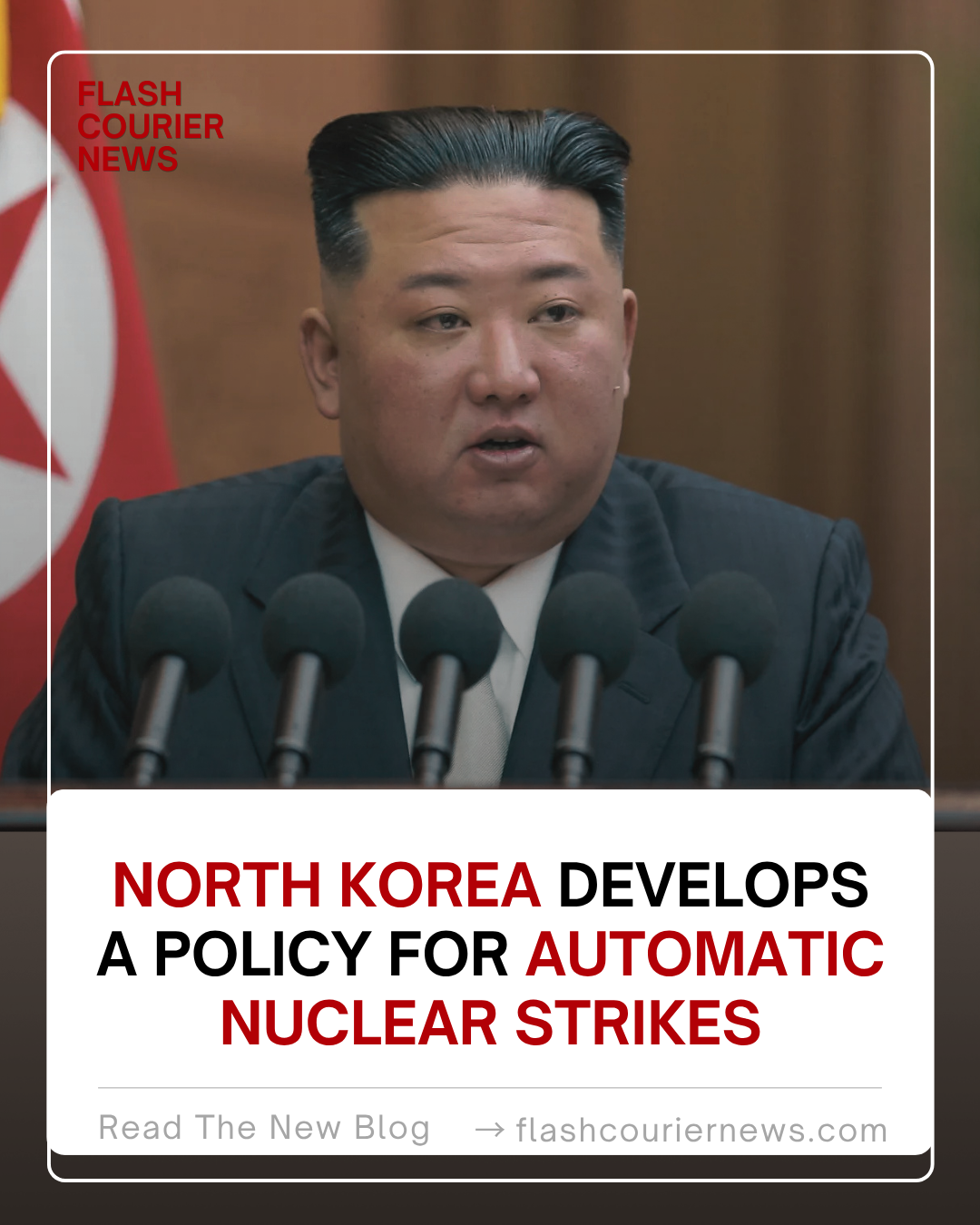
A Change in Nuclear Policy
North Korea recently added a terrifying new clause to its national defense laws. This policy permits an immediate nuclear strike if enemy forces kill Kim Jong Un. To ensure the survival of the regime, the state assembly passed the Law on the DPRK’s Policy on Nuclear Forces. This action represents a break from other countries’ conventional “no-first-use” nuclear ideologies. Experts believe the regulation prevents “decapitation strikes” by foreign armed forces. Pyongyang’s nuclear posture has become more hostile and unpredictable.
Comprehending the Nuclear Launch Policy
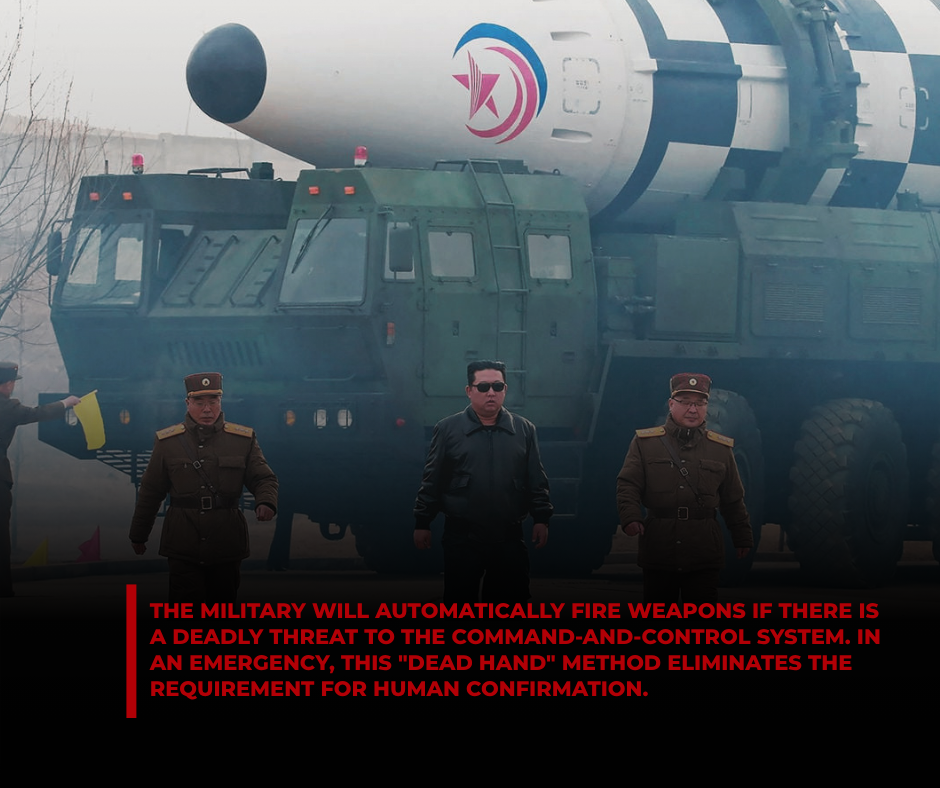
Even in the absence of an explicit directive from the top, the nuclear launch policy guarantees a counterattack. The military will automatically fire weapons if there is a deadly threat to the command-and-control system. In an emergency, this “dead hand” method eliminates the requirement for human confirmation. It quickly attacks the enemy’s controlling structures as well as the source of the provocation. North Korea claims no one can change or negotiate this status in future talks. Because of this legal structure, the nation’s nuclear weapons will always be a part of its identity.
Guidelines for Preemptive Strikes and Deterrence
Additionally, the new law specifies requirements for the use of tactical nuclear weapons. If North Korea senses an impending attack on its strategic assets, it may launch the first strike. Threats to its government, leadership, or nuclear command centers fall under this category. In a regional battle, the doctrine effectively lowers the bar for the use of atomic bombs. The nation will never compromise on its nuclear capability, Kim Jong Un stressed. For nearby countries like South Korea and Japan, these regulations create a high-stakes scenario.
Concerns about Global Reaction and Security
The escalating language used by North Korean official media has deeply alarmed international leaders. The United States still commits to the full denuclearization of the Korean Peninsula. Automatic launch technologies raise the possibility of unintentional nuclear war, analysts caution. A technology malfunction or a false alarm could bring on a worldwide disaster. Security experts urge increased communication to avoid a catastrophic error in the area. The international community is still keeping a careful eye on North Korea’s expanding nuclear and missile programs.
The Future of Regional Stability
This strategy shift complicates any expectations for peaceful diplomacy in the foreseeable future. North Korea is still updating its delivery methods and tactical nuclear bombs. The dictatorship sees these weapons as the final assurance of its political survival. Each new test and rule reinforces this unwavering position on national defense. This change compels other countries to reconsider their own deterrence and security tactics. More than ever, the threat of nuclear war hangs over Northeast Asia.











Leave a Reply