
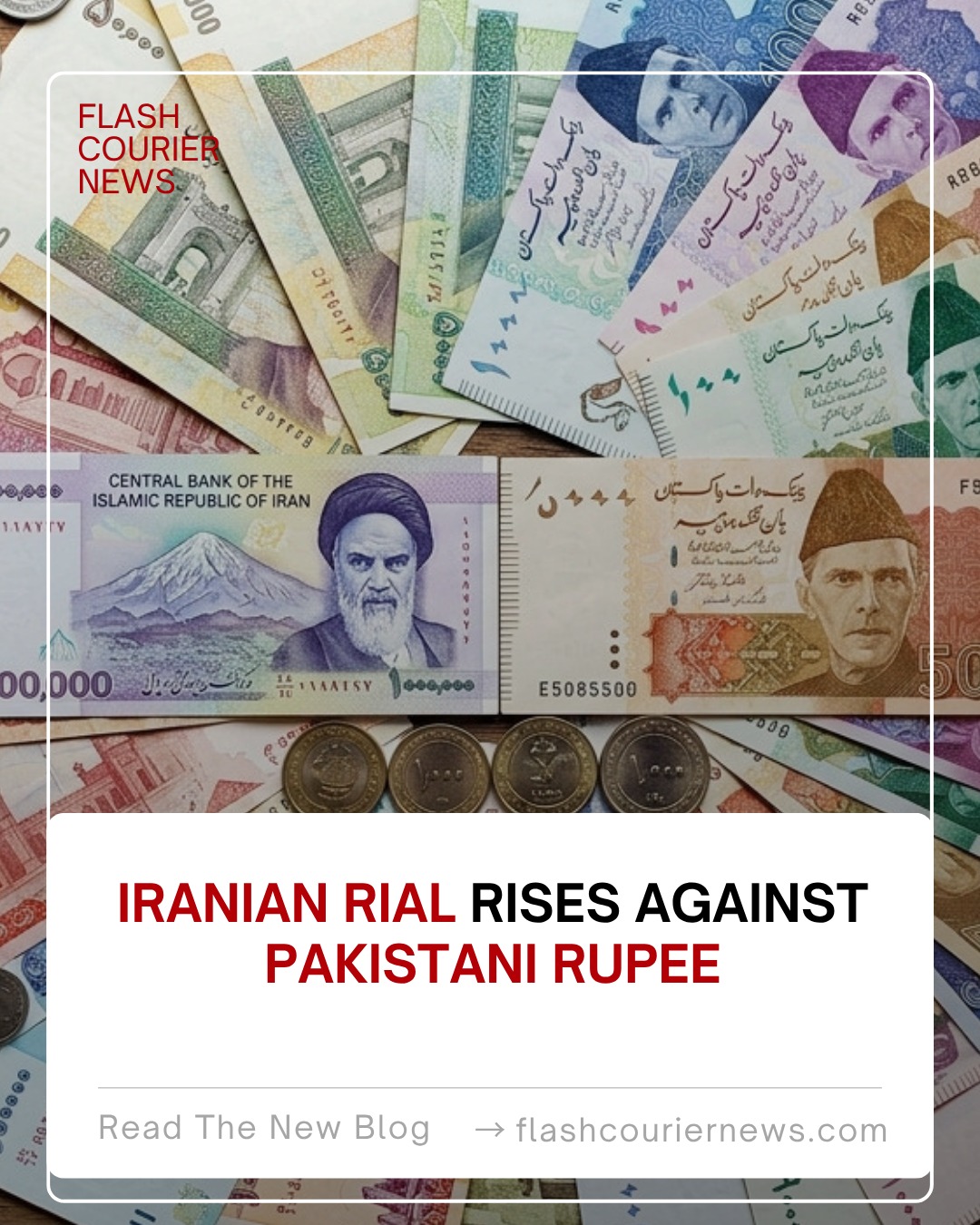
In unofficial exchange markets, the value of the Iranian rial has increased in relation to the Pakistani rupee in recent weeks. Many analysts and traders have been taken aback by this.
Quick Overview
| Currency | Trend | Market |
| Iranian Rial (IRR) vs Pakistani Rupee (PKR) | Rising | Informal/open market |
| Primary cause | Speculation + border trade | Demand-driven |
Surprising Shift in Regional Currency Market
Iranian Rial Rises Against Pakistani Rupee because theoretical activity in Pakistan’s open currency market seems to be one of the primary causes of the expanding demand for the Iranian rial. Traders sometimes start purchasing currency in greater numbers with the hope of selling it later at a better price when they think its value could rise.
Demand can rise expeditiously as a result of this kind of market behavior. According to currency traders in a number of places, more people and small investors are showing concern in buying Iranian rials in the hopes of making quick profits should the currency continue to appreciate.
Why Is the Iranian Rial Rising?
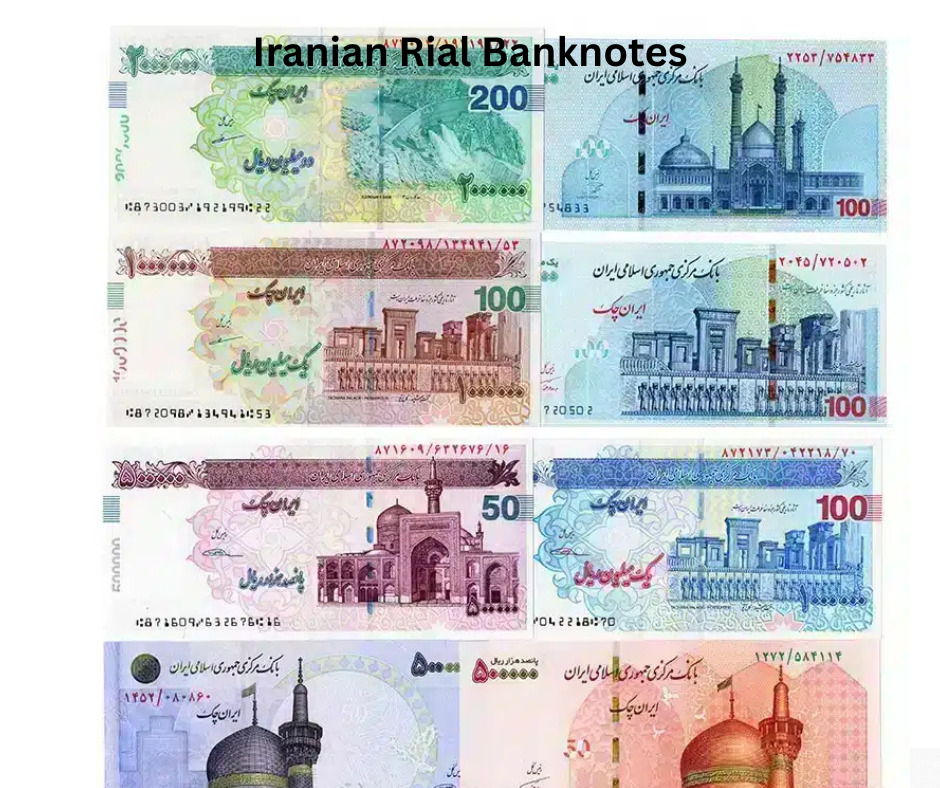
There are three main reasons for this trend.
Speculation by Traders
Iranian rials are now being purchased by traders in Quetta, Lahore, and Karachi. In order to sell at a profit, they hope the value will increase even more. Demand rises and prices rise when a large number of people purchase the same currency.
We refer to this as speculation. It is not predicated on Iran’s economy becoming more robust. It is predicated on what traders anticipate.
Cross-Border Trade with Iran
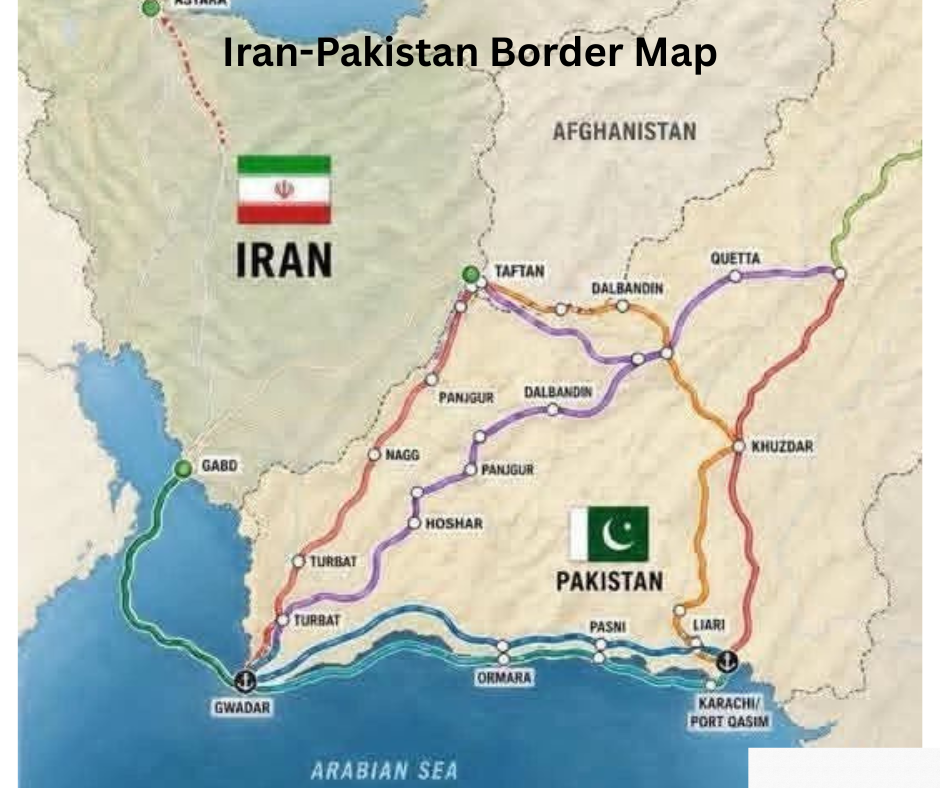
The border between Iran and Pakistan is more than 900 kilometres long. The two nations regularly trade, particularly in fuel like petrol and diesel.
Pakistani traders must pay with Iranian rials when they purchase fuel from Iran. The demand for the rial increases with increased trade. Its value rises in relation to the rupee as a result.
Weakness of the Pakistani Rupee
The value of the Pakistani rupee has been declining for a while. The nation is experiencing economic difficulties and high inflation.
People search for alternative currencies to hold when the local currency is weak. The US dollar is chosen by some. Some opt for Gulf currencies. Some people have recently opted for the Iranian rial as a substitute.
Risks of Buying Iranian Rials
Financial experts say small investors should be careful. Here are the main risks.
| Risk | Explanation |
| High volatility | Prices can go down as fast as they go up |
| No official data | State Bank of Pakistan does not publish IRR/PKR rates |
| Illiquidity | Selling large amounts later may be difficult |
| Legal risks | Iranian currency faces international sanctions |
In the absence of solid economic fundamentals, sudden demand spikes frequently pass quickly.
What to Watch in the Coming Weeks
Keep an eye on these factors.
- Iran-US diplomatic news – Could boost or reduce speculation
- Border trade volumes – Directly affects demand for rials
- Pakistani rupee performance – Weak rupee pushes traders to alternatives
- Central bank statements – Any official guidance on trading
The main causes of the Iranian rial’s increase in value relative to the Pakistani rupee are speculation, international trade, and the rupee’s own weakness. This does not indicate that Iran’s economy has suddenly grown robust.
The best advice for the average person is to remain informed but refrain from placing dangerous currency bets based on transient trends.












Leave a Reply