
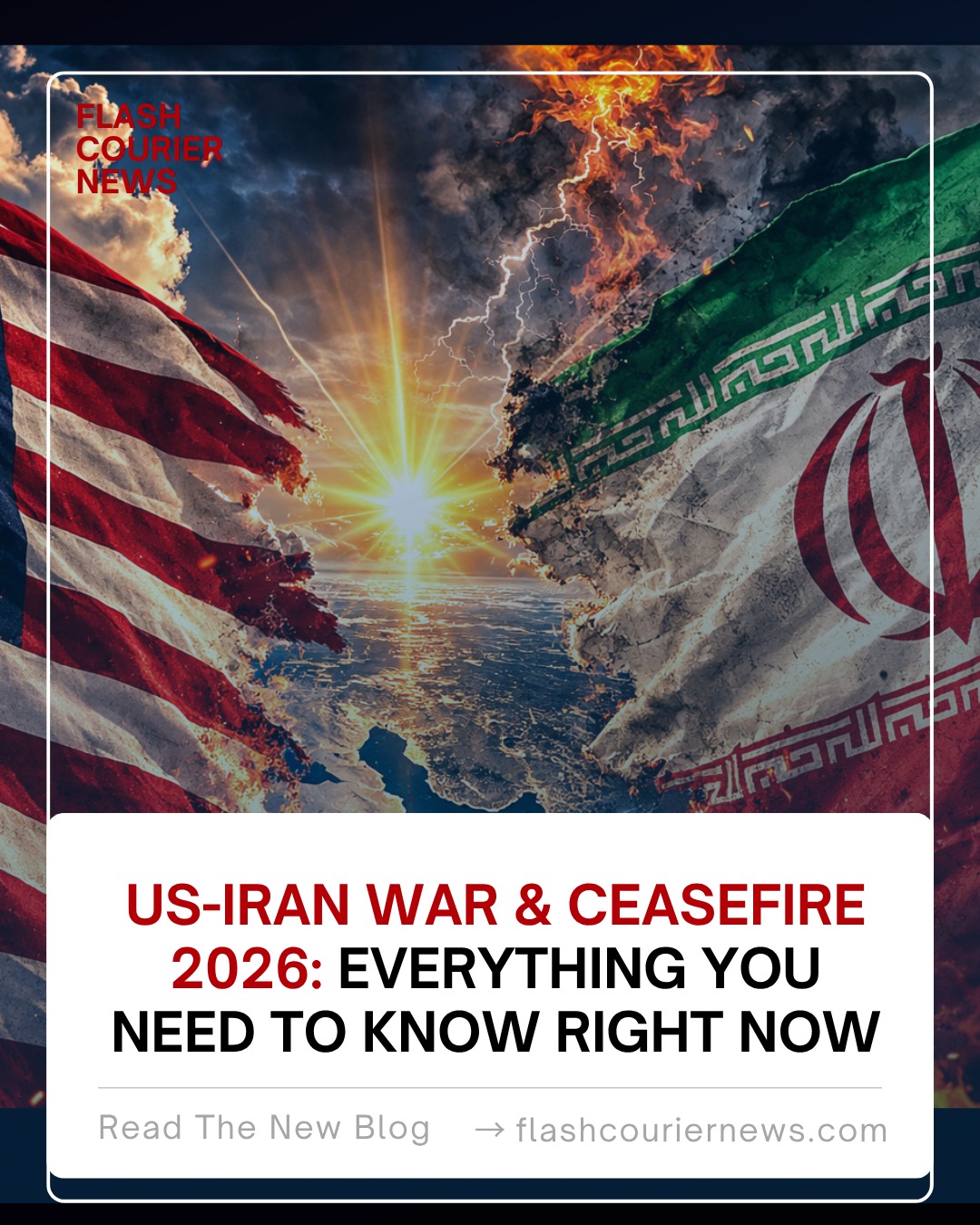
How did the US-Iran war start in 2026?
US-Iran War & Ceasefire 2026: Everything You Need to Know Right Now :
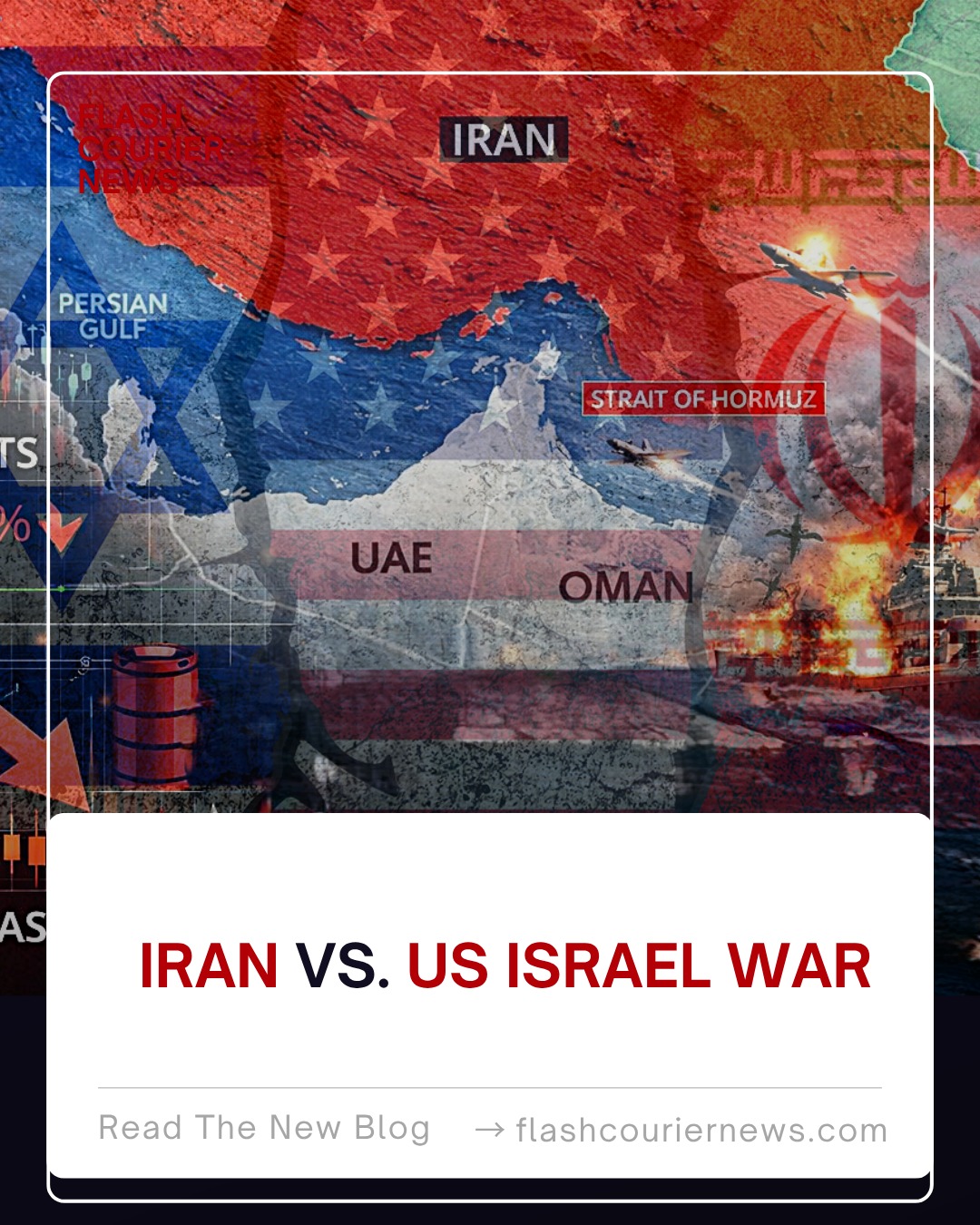
On February 28, 2026, the United States and Israel launched coordinated strikes against Iran. The stated goals were regime change and destroying Iran’s nuclear and ballistic missile capabilities. During the strikes, Iran’s Supreme Leader Ali Khamenei was killed. Iran responded by closing the Strait of Hormuz — one of the world’s most critical oil shipping routes — and launching counter-strikes against US military bases and Israeli targets across the region.
Timeline of key events
US-Iran War & Ceasefire 2026: Everything You Need to Know Right Now
- Feb 28, 2026 US and Israel begin strikes on Iran. Khamenei killed. Iran closes Strait of Hormuz.
- Mar 6, 2026 Trump demands Iran’s “unconditional surrender.” Sets multiple deadlines that pass unmet.
- Apr 8, 2026 Pakistan brokers a two-week ceasefire between the US and Iran.
- Apr 11–12, 2026 VP JD Vance travels to Islamabad for peace talks. Negotiations fail, no agreement reached.
- Apr 13, 2026 US Navy begins blockade of Iranian ports after Islamabad talks collapse.
- Apr 21, 2026 Trump extends the ceasefire indefinitely, awaiting a “unified proposal” from Iran.
- Apr 24–26, 2026 Trump rules out using nuclear weapons. Netanyahu reports cancer treatment. Tensions persist over Lebanon.
What is the Strait of Hormuz and why does it matter?
US-Iran War & Ceasefire 2026: Everything You Need to Know Right Now:
The Strait of Hormuz is a narrow waterway between Iran and Oman through which roughly 20% of the world’s oil supply passes every day. Iran’s closure of this route triggered an immediate global energy crisis, pushing fuel prices sharply higher. Trump set the reopening of the strait as a non-negotiable condition for any ceasefire deal — yet traffic through it has remained minimal since the conflict began.
“I have directed our military to continue the blockade and remain ready and able… the ceasefire will extend until Iran’s proposal is submitted and discussions are concluded, one way or the other.” — President Donald Trump, April 21, 2026
Where do negotiations stand today?
The situation remains deadlocked. Iran insists that the US naval blockade of its ports must end before any new talks can happen. The US says it will maintain the blockade until Iran submits a credible peace proposal. Trump has accused Iran’s government of being “seriously fractured,” pointing to disagreements between its civilian negotiators and the Islamic Revolutionary Guard Corps (IRGC). Iran’s leaders have publicly denied any internal divisions.
A second round of Israel-Lebanon talks is scheduled in Washington, though Hezbollah continues to fire rockets at northern Israel, claiming ceasefire violations by Israeli forces.
What does Iran want vs what the US wants?
The two sides remain far apart. The US core demands include Iran permanently ending its nuclear enrichment program, limits on its ballistic missiles, and full reopening of the Strait of Hormuz. Iran’s counter-demands include an end to US and Israeli attacks, security guarantees against future aggression, war reparations, and international recognition of its sovereignty over the Strait of Hormuz. The gap between these positions is enormous.
Frequently asked questions
Is the US-Iran ceasefire still active?
Yes, as of April 26, 2026 the ceasefire has been extended indefinitely by President Trump, though violations have been reported by both sides and the US naval blockade of Iranian ports continues.
Will the US use nuclear weapons against Iran?
Trump publicly ruled this out on April 24, stating the US would not use nuclear weapons in Iran, ending days of intense speculation following a controversial social media post.
How is this affecting oil prices?
Fuel prices have surged globally due to the closure of the Strait of Hormuz. Energy markets remain volatile and sensitive to any new developments in the conflict.
Who is mediating the US-Iran peace talks?
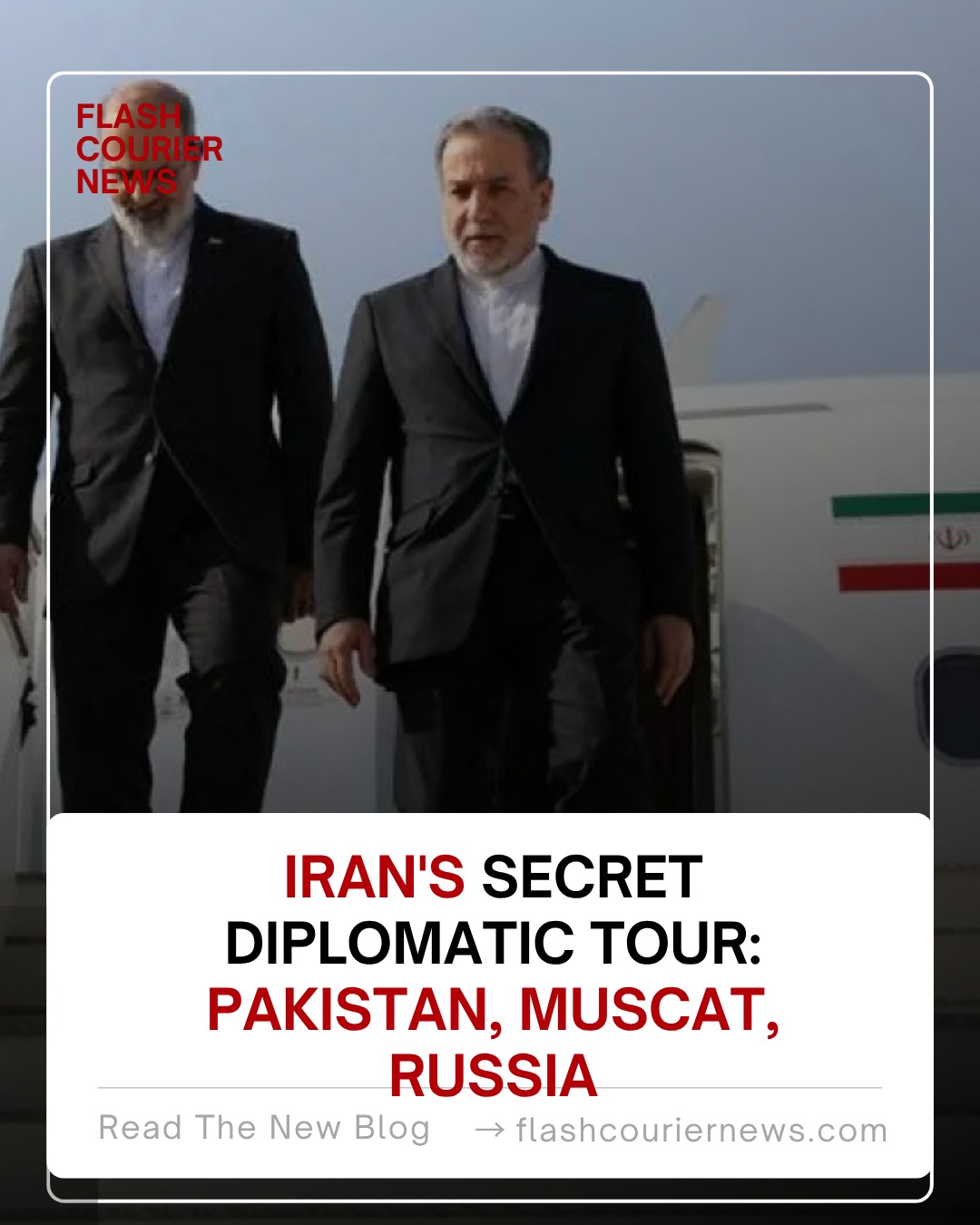
Pakistan has played the central mediation role, hosting talks in Islamabad. China has also been involved in supporting the process.




Leave a Reply