
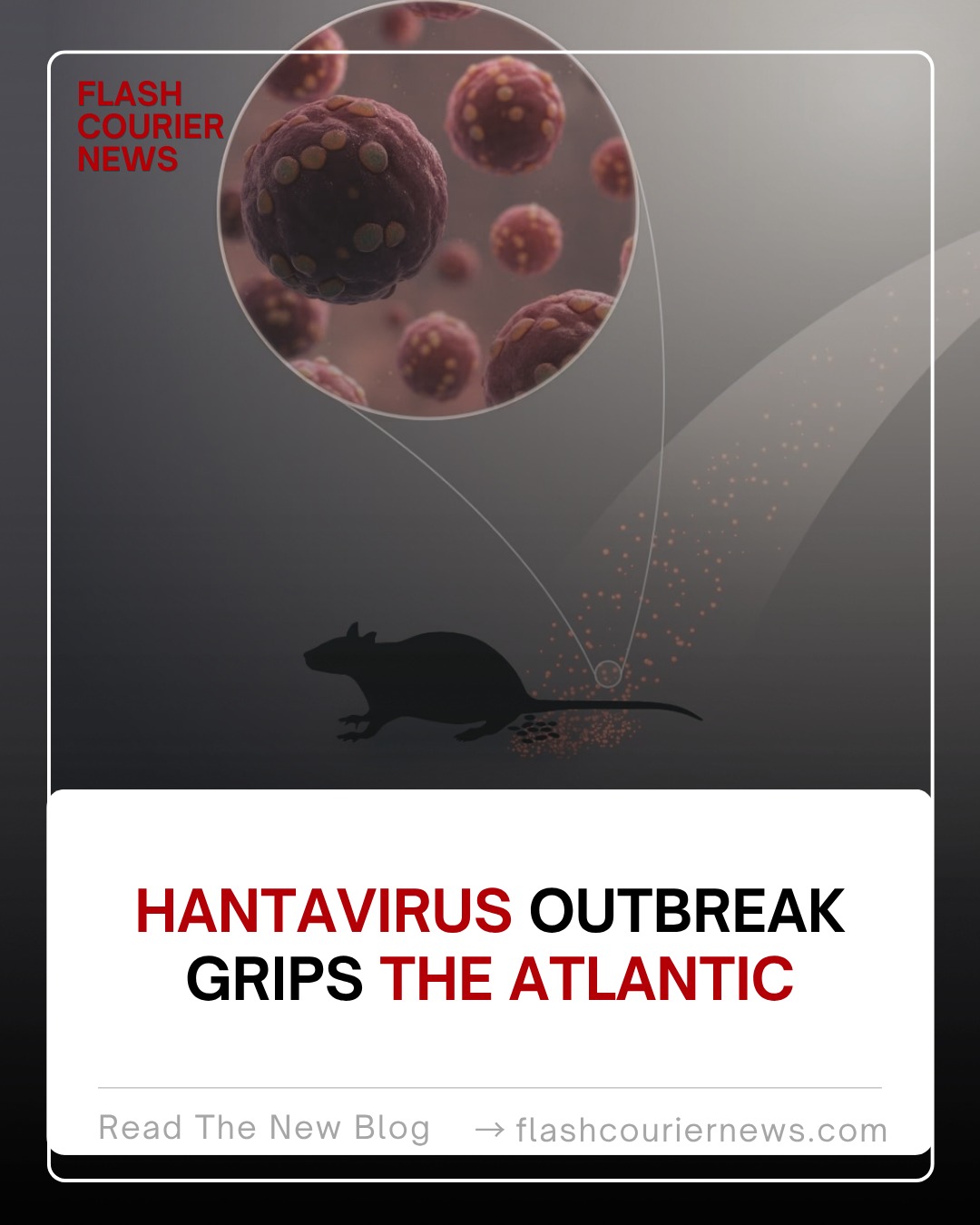
Hantavirus Outbreak on Cruise Ship: What We Know So Far
Numerous people have died as a result of a suspected hantavirus outbreak on a cruise ship, which has garnered international attention. When passengers started getting sick, Oceanwide Expeditions’ MV Hondius was sailing across the Atlantic Ocean from Argentina to Cape Verde.
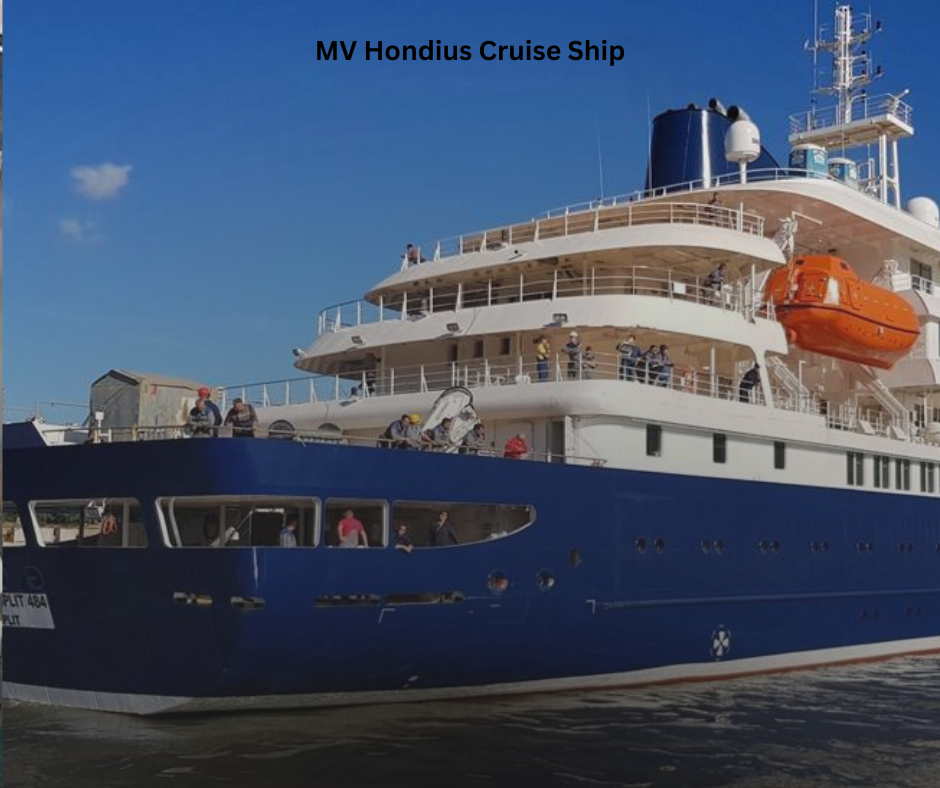
At least three deaths have been confirmed by health officials. One traveller, a 69-year-old British national, is in critical care in Johannesburg, South Africa, after testing positive for hantavirus.
How the virus spread on a cruise ship has come under scrutiny due to this uncommon outbreak. This is what we currently know.
Quick Overview
| Detail | Information |
| Ship | MV Hondius (Oceanwide Expeditions) |
| Route | Ushuaia, Argentina → Cape Verde |
| Passengers on board | 149 |
| Date of first illness | April 11, 2026 |
| Deaths reported | 3 (Dutch pair + German national) |
| Critical case | 1 (British national, hospitalized in South Africa) |
| Current status | Ship not allowed to dock in Cape Verde |
What Is Hantavirus?
Hantavirus is a rare but serious virus transmitted by rodents. It spreads through contact with infected rodent urine, saliva, or droppings.
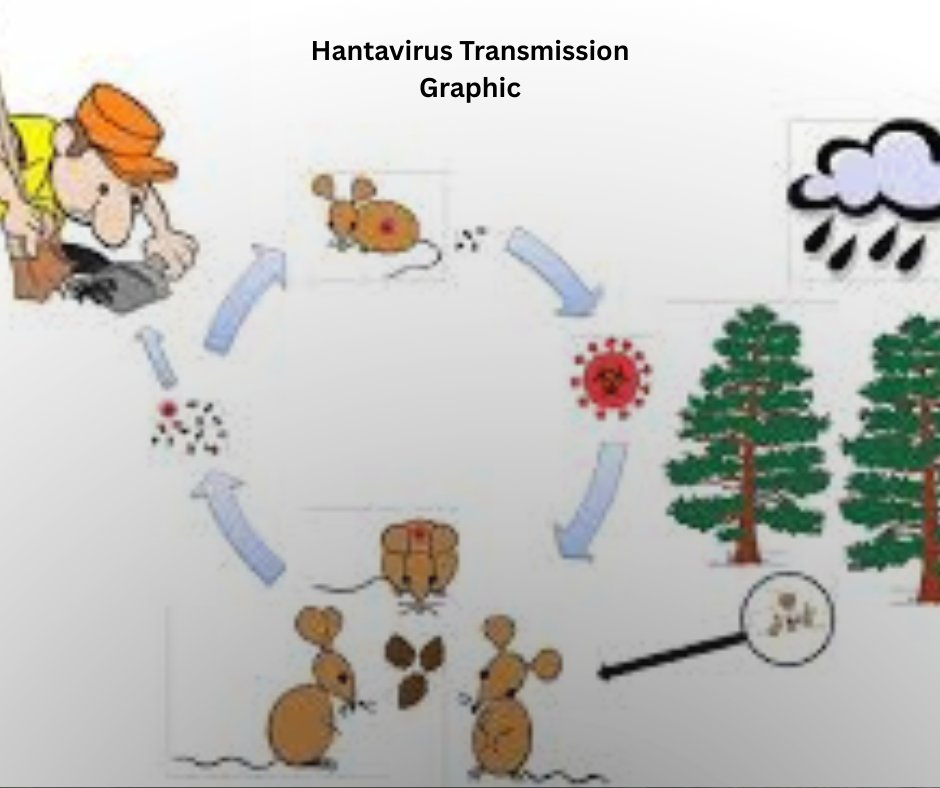
How infection occurs:
- Inhaling contaminated air (dust with virus particles)
- Touching contaminated surfaces
- Direct contact with infected rodents (rare)
Two main diseases caused by hantavirus:
| Disease | Affected Area | Severity |
| Hantavirus Pulmonary Syndrome (HPS) | Lungs | Can be fatal (fluid buildup in lungs) |
| Hemorrhagic Fever with Renal Syndrome (HFRS) | Kidneys | Can cause kidney failure |
Early symptoms:
- Fever
- Fatigue
- Headaches
- Muscle aches
- Coughing and shortness of breath (as condition worsens)
According to the U.S. Centers for Disease Control and Prevention (CDC), the death rate from hantavirus pulmonary syndrome ranges from 35% to 40%. Although there is no known cure, early hospital care increases the likelihood of survival.
According to the U.S. Centers for Disease Control and Prevention (CDC), the death rate from hantavirus pulmonary syndrome ranges from 35% to 40%. Although there is no known cure, early hospital care increases the likelihood of survival.
Details of the MV Hondius Outbreak
The MV Hondius departed from Ushuaia, Argentina, bound for Cape Verde with 149 passengers on board.
Timeline of events:
- April 11, 2026: First passenger became ill
- Shortly after: Passenger died
- Days later: His wife developed similar symptoms and died on the way home
- Soon after: A German national also died
- Ongoing: Two crew members (Dutch and British) developed severe respiratory issues
Cape Verdean authorities have prohibited the ship from docking to prevent further exposure.
Official response:
Oceanwide Expeditions affirmed that they are isolating patients and upholding stringent hygienic procedures. To handle evacuations, the World Health Organization (WHO) is collaborating with several countries.
WHO Response and Public Health View
WHO is acting immediately, according to Dr. Hans Henri P. Kluge, Regional Director for Europe. He underlined how hard it is to spread hantavirus infections from one person to another.
Key WHO points:
- The risk to the general public remains low
- No travel restrictions are needed
- South African authorities have been thanked for helping treat critical patients
- Investigations are ongoing
The WHO stressed that hantavirus infections are primarily caused by contact with rodents, not human-to-human transmission.
How Dangerous Is Hantavirus?
According to the CDC, hantavirus pulmonary syndrome has a fatality rate of 35% to 40%. However, early hospitalization and supportive care (oxygen, fluids, ventilation) can improve outcomes.
Treatment options:
- Oxygen therapy
- Fluid management
- Ventilator support for severe cases
- No specific antiviral cure exists
Prevention remains the best approach.
Precautions to Stay Safe
If you are in areas where rodents may be present, follow these guidelines:
- Avoid contact with rodents or their droppings
- Keep food in sealed containers
- Do not sweep or vacuum rodent droppings (use disinfectant instead)
- Wear gloves and masks when cleaning enclosed spaces
- Seek medical attention early if flu-like symptoms develop after possible exposure
Global Significance and Next Steps
This outbreak demonstrates how uncommon viruses can arise anywhere. Experts are looking into whether the ship’s environment was contaminated or if passengers were exposed prior to boarding.
WHO and Oceanwide Expeditions are still keeping an eye on every passenger. For a safe disembarkation and medical examination, the ship may continue on to the Canary Islands.
Global authorities concur that caution is crucial even though the public’s risk of contracting the hantavirus is still low.
Conclusion
At least three people have died as a result of a suspected hantavirus outbreak on board the MV Hondius. One British traveller is still in critical condition. Local authorities and the WHO are conducting an investigation.
Despite its seriousness, the hantavirus is difficult to spread among people. The risk to the public is still minimal. Travellers should be mindful of symptoms, though, and seek medical help if they experience flu-like symptoms following a potential exposure.
Frequently Asked Questions (FAQs)
What is hantavirus?
Hantavirus is a family of viruses primarily transmitted by rodents. It can cause severe respiratory and kidney diseases in humans.
How do people catch hantavirus?
Most people become infected by breathing in air contaminated with virus particles from rodent urine, saliva, or droppings.
What are the symptoms of hantavirus?
Early symptoms include fever, fatigue, headaches, and muscle aches. Severe cases develop coughing, shortness of breath, and fluid in the lungs.
Can hantavirus spread from person to person?
Most hantavirus strains do not spread between humans. A rare South American strain has shown limited human-to-human transmission.
How can hantavirus be prevented?
Avoid contact with rodents, seal homes to keep mice out, clean droppings carefully with disinfectant, and wear protective gear when handling contaminated areas.












Leave a Reply