
Islamabad Hosts Crucial Diplomatic Meeting.Due to high-stakes negotiations between representatives
from the Islamic Republic of Iran and the United States of America, international diplomatic interest recently focused on Islamabad
These talks are among the most important diplomatic exchanges between the two nations in many years. The negotiations underscore Islamabad’s increasing significance in international diplomacy and crisis resolution, with Pakistan serving as a mediator.
Senior political figures, financial specialists, and security personnel attended the sessions,
which demonstrated the gravity and complexity of the topics being discussed.
Concerns about nuclear weapons, tensions in regional security, economic sanctions, and more general
Geopolitical stability in the Middle East are all on the discussion agenda.
The significance of these talks for global peace and stability is shown by the participation of powerful
political figures and the stringent security measures surrounding the gatherings.
Islamabad Crucial Meeting Arrival of the Delegations and Symbolic Messaging
United States Delegation
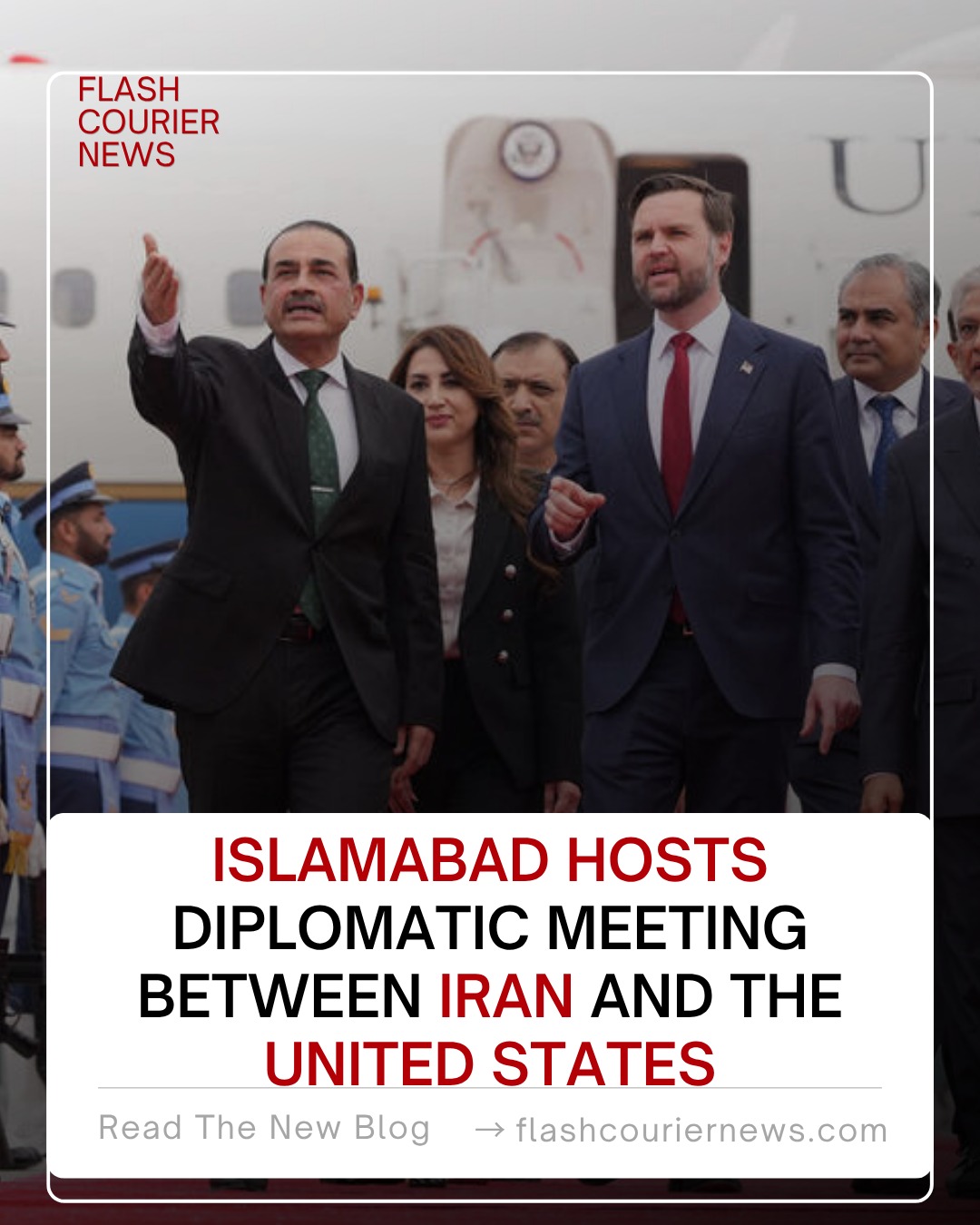
Islamabad Crucial Meeting Ishaq Dar, Pakistan’s Foreign Minister and Deputy Prime Minister, greeted the American team upon their arrival in Islamabad. Their arrival demonstrated Washington’s readiness to take active diplomatic action to ease tensions with Iran.
Several well-known individuals are part of the US delegation:
• JD Vance, Vice President
• Steve Witkoff, a special envoy and close friend of former President Donald Trump • Trump’s son-in-law and former key advisor, Jared Kushner
Washington views these negotiations as strategically significant, as evidenced by the makeup of the American delegation. The presence of trusted envoys and senior political advisors indicates that the US is
ready to discuss complicated security and political issues that might change the two countries’ relationship.
Islamabad Crucial Meeting Islamic Republic of Iran Delegation
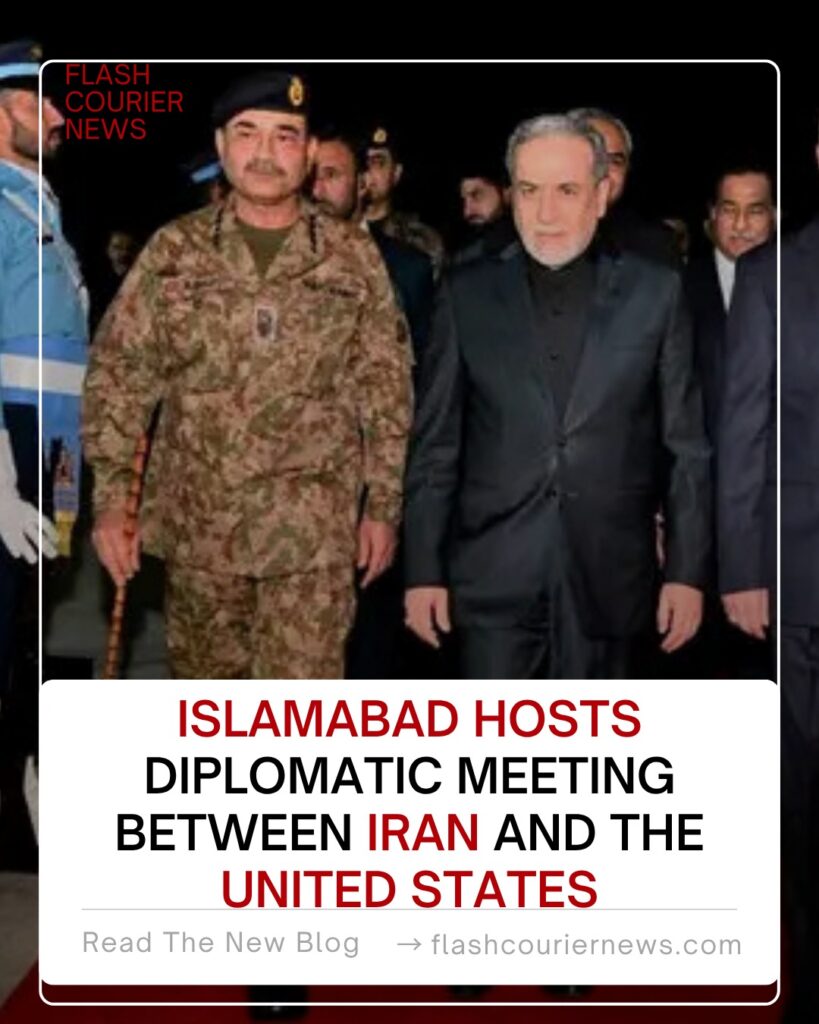
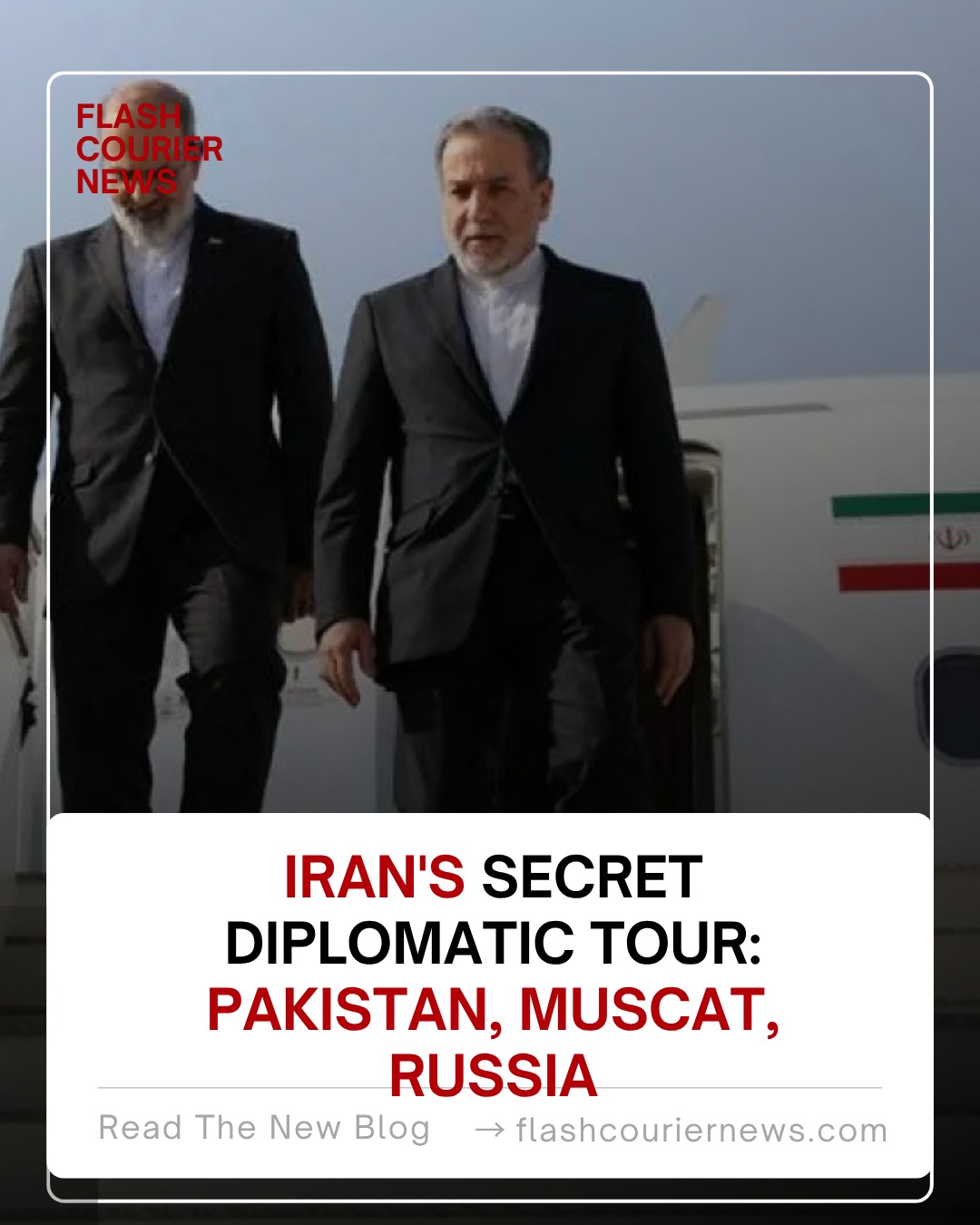
Islamabad Crucial Meeting. The Iranian delegation reached Nur Khan Airbase in Islamabad, Pakistan, ahead of their American colleagues. Iranian Parliament Speaker Mohammad Bagher Qalibaf led the delegation, which included several senior officials and experts.
The Iranian delegation gave their expedition the potent symbolic moniker “MINAB 168.”
This name reflects the sadness of 168 young girls who were allegedly killed at an elementary school
during recent military strikes on Israel, backed by the United States, and carries profound emotional importance.
The symbolism was profoundly poignant when they arrived. There were supposedly empty seats on the
plane, each of which represented a child victim. a small school bag and a picture of the children who died
were placed on each seat.
The scene conveyed a powerful message. The colorful school bags, once symbols of learning and hope, were now reminders of loss and tragedy. Covered with dust, blood, and silence, they represented the innocent lives disrupted by conflict. Iran intended the symbolic display to highlight the humanitarian cost of ongoing geopolitical tensions.
By naming the mission “Minab 168,” the Iranian delegation sought to ensure that the memory of these victims remained central to the diplomatic discussions.
Air Mobility Deception and Security Measures
Pakistan took great precautions to guarantee everyone’s safe arrival because the meetings were exceedingly sensitive.
The Pakistan Air Force (PAF) employed a technique known as “Air Mobility Deception” as one of the most prominent security measures.
The Iranian aircraft Minab 168, an Airbus A321, was seen to be a possible target for hostile intervention or monitoring. The PAF reportedly used a parallel Pakistani A321 aircraft during the journey to reduce this risk.
The Pakistani aircraft transmitted conventional flight information, but the Iranian aircraft’s transponder was off. Radar systems and other observers would therefore perceive what seemed to be a typical Pakistani passenger flight.
The Iranian group was able to fly safely without disclosing their precise flight path thanks to this clever tactic. These actions show how well Pakistan has planned and coordinated its efforts to safeguard the diplomatic process.
Why JD Vance’s Presence Is Significant
There are important political ramifications to Vice President JD Vance’s visit to Islamabad. According to reports, Iranian leadership favors conversations involving people with deep ties to the top echelons of the U.S. administration and has little faith in lower-level American diplomats.
Vance’s involvement shows that Washington is prepared to engage in high-level negotiations and is treating the discussions seriously.
From a political standpoint, Vance’s future career may benefit from the negotiations as well. He might be recognized for his role in a significant diplomatic breakthrough if the negotiations result in a significant accord or a decrease in regional tensions. His reputation as a potential presidential candidate could be enhanced by such an accomplishment.
The gravity of the meetings is further highlighted by the degree of security around them. Over 10,000 security guards were stationed throughout Islamabad by Pakistani authorities, especially in the heavily guarded Red Zone, which is home to numerous government buildings and diplomatic establishments.
The Scale and Composition of the Iranian Delegation
Senior political figures, diplomats, financial specialists, and the governor of Iran’s central bank make up the 71-person Iranian delegation.
The delegation’s size and wide range of experience imply that these talks are not only about politics. The discussions seem to revolve around economic and financial issues.
Before the delegations reached Islamabad, analysts estimate that back-channel diplomacy had already finished around 90% of the preparations for a possible deal. Informal discussions, carried out covertly through middlemen, probably assisted in reducing disagreements between the two parties.
Therefore, it is anticipated that the current sessions will concentrate on completing technical issues, creating legal agreements, and handling intricate financial arrangements.
Key Bargaining Chips and Negotiation Demands
Several critical issues are believed to be central to the negotiations.
The Nuclear Issue
Iran’s nuclear program is one of the main issues facing the United States. The goal of stopping Iran from creating nuclear weapons has always been a key component of the American stance.
The United States withdrew from the 2015 Joint Comprehensive Plan of Action (JCPOA) under former President Donald Trump, who claimed that the accord did not adequately limit Iran’s nuclear aspirations.
The irony that the current negotiations seem to be aiming toward a similar arrangement to the one that was previously in place under the JCPOA is noted by critics.
Iran’s Conditions
According to reports, Iran has put up a number of requirements for coming to a diplomatic agreement:
1. An immediate end to the Lebanon bombing campaign
2. The release of almost $6 billion in US-frozen Iranian assets
Iran’s larger objective of easing economic strain and resolving regional security issues is reflected in these objectives.
The Strait of Hormuz
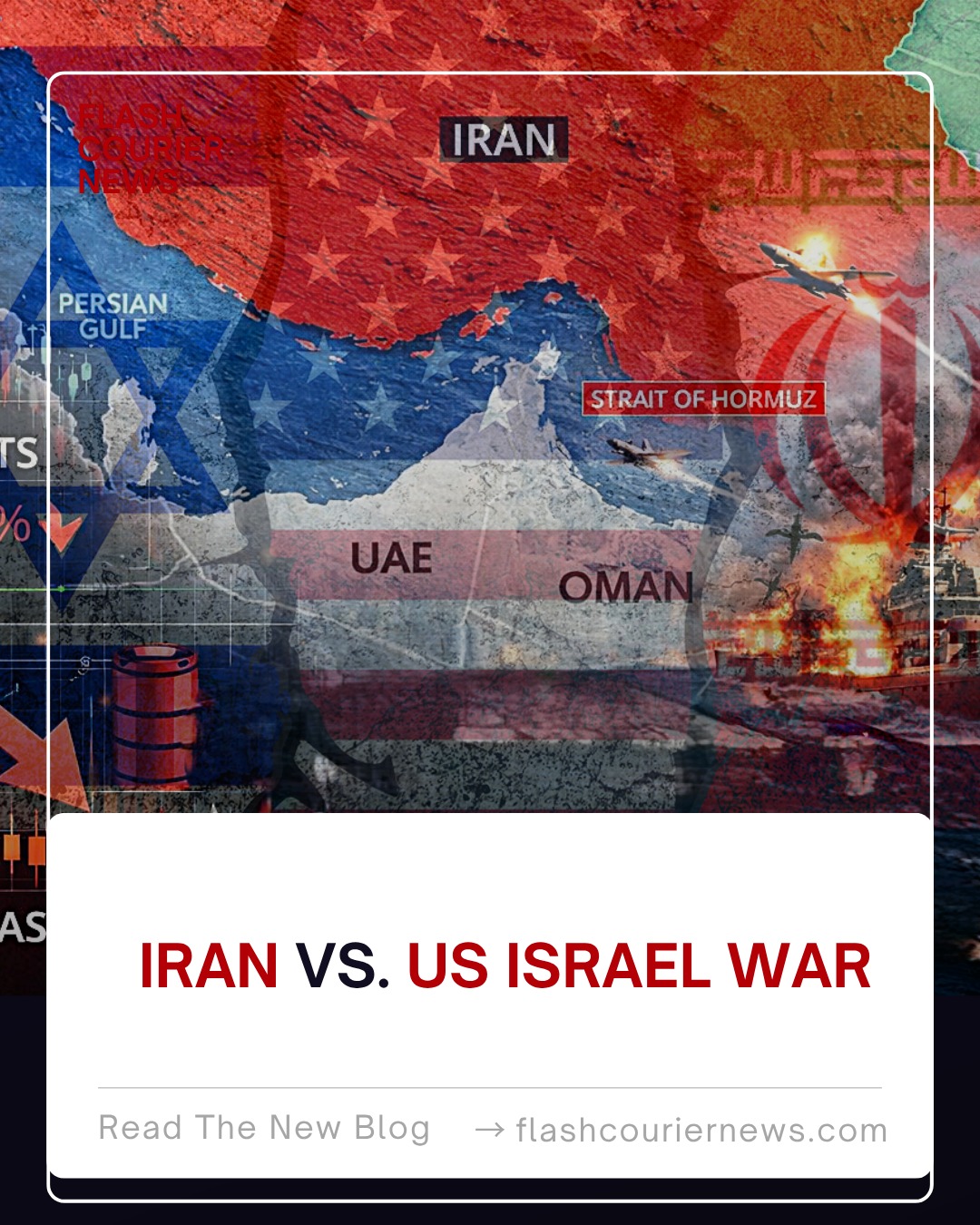
Iran’s strategic control over the Strait of Hormuz, one of the world’s most important maritime lanes, may be its most potent negotiating instrument.
This small river is used for a large amount of the world’s oil exports. Due to increased tensions, reports currently show that just around 10% of the typical oil trade is crossing the strait.
The Strait of Hormuz is an important aspect in discussions since any disruption has immediate effects on the world’s energy markets.
The “Proximity Format” of Negotiations
The conversations are being carried out in a “proximity format” to avoid direct confrontation and for incremental dialogue.
Although direct meetings between Iranian and American officials were initially avoided, both teams are lodging at the Serena Hotel in Islamabad.
Instead, in a tactic known as “shuttle diplomacy,” Pakistani diplomats served as go-betweens, delivering suggestions and communications between the two parties.
Only after a series of individual talks with Pakistani leadership and after both sides had had enough time to examine suggestions and ease tensions were direct meetings scheduled.
This strategy increases the likelihood of attaining positive results by enabling negotiators to talk without the stress of an abrupt confrontation.
Addressing Viral Questions on Social Media
The diplomatic developments generated significant discussion on social media platforms, leading to several widely circulated questions.
Why Did the Prime Minister Not Receive the Delegations?
Why Pakistan’s prime minister did not personally greet the delegations was questioned by several observers.
Diplomatic procedure holds the key to the solution. Pakistan adhered to customary diplomatic protocols because the leaders of state, including Iran’s Supreme Leader Ayatollah Ali Khamenei and Donald Trump, were not there.
Senior officials, such as the Foreign Minister and the Army Chief, welcomed the delegations instead.
The Army Chief’s Attire
The clothes that Pakistan’s army chief, General Asim Munir, wore to talks with the two delegations were another item that attracted attention on the internet.
According to reports, General Munir met the Iranian team in full military uniform, signifying Pakistan’s dedication to security and military support.
He did, however, wear a formal suit when he met the American group, indicating a diplomatic and mediating position as opposed to a military one.
In diplomatic contexts, such symbolic actions frequently have deep significance.
Regional Impact and Potential “Spoilers”
The negotiations in Islamabad are not occurring in isolation. Several regional actors are closely monitoring the discussions.
Saudi Arabia’s Presence
According to reports, the Saudi Finance Minister is also in Islamabad for the negotiations. This presence signals that Saudi Arabia and Pakistan are becoming more economically cooperative, and it suggests that Riyadh may have a stake in how the talks turn out.
Saudi Arabia’s participation may also be a part of larger initiatives to control the economic fallout from geopolitical tensions and stabilise the region.
The Khawaja Asif Tweet Incident
Pakistan’s Defence Minister Khawaja Asif tweeted a harsh critique of Israel just before the negotiations started. The tweet was later removed after becoming viral.
Such remarks can make delicate negotiations more difficult, according to diplomatic analysts.
Timing and tone are important in international diplomacy. If they are made at the wrong time, even words that convey sincere worries could be detrimental.
According to one diplomatic principle, being wise in diplomacy frequently involves not just telling the truth but also deciding when and how to do it.
Summary
A potentially momentous moment in world relations is represented by the diplomatic conference in Islamabad. Pakistan has established itself as an important international diplomatic mediator by holding talks between Iran and the United States.
This function is reminiscent of Pakistan’s past contributions to significant diplomatic achievements, such as its role in the 1970 opening between the US and China and its involvement in the 1988 Geneva Accords of Afghanistan.
Both parties appear to be serious about looking for a diplomatic solution, as evidenced by the presence of senior political figures, economists, and security personnel from both nations.
The fact that Iranian and American representatives are having direct talks is a significant development in and of itself, even though there are still numerous obstacles to overcome. These talks might be the first significant high-level interaction between the US and Iran since 1979, ease regional tensions, and stabilise the world’s energy markets if they are successful.
The negotiations strengthen Pakistan’s position as a key player in international diplomacy and conflict resolution by showcasing its capacity to act as a mediator between opposing states.






Leave a Reply