

The United States and Iran held high-level talks in Islamabad, Pakistan, in a major diplomatic development. These talks were the two nations’ first direct interaction in many years. There was no final agreement reached after 21 hours of negotiations.
This article looks at Pakistan’s role as a mediator, Iran’s reaction, the reported U.S. proposal, and what comes next.
Why Were Talks Held in Islamabad?
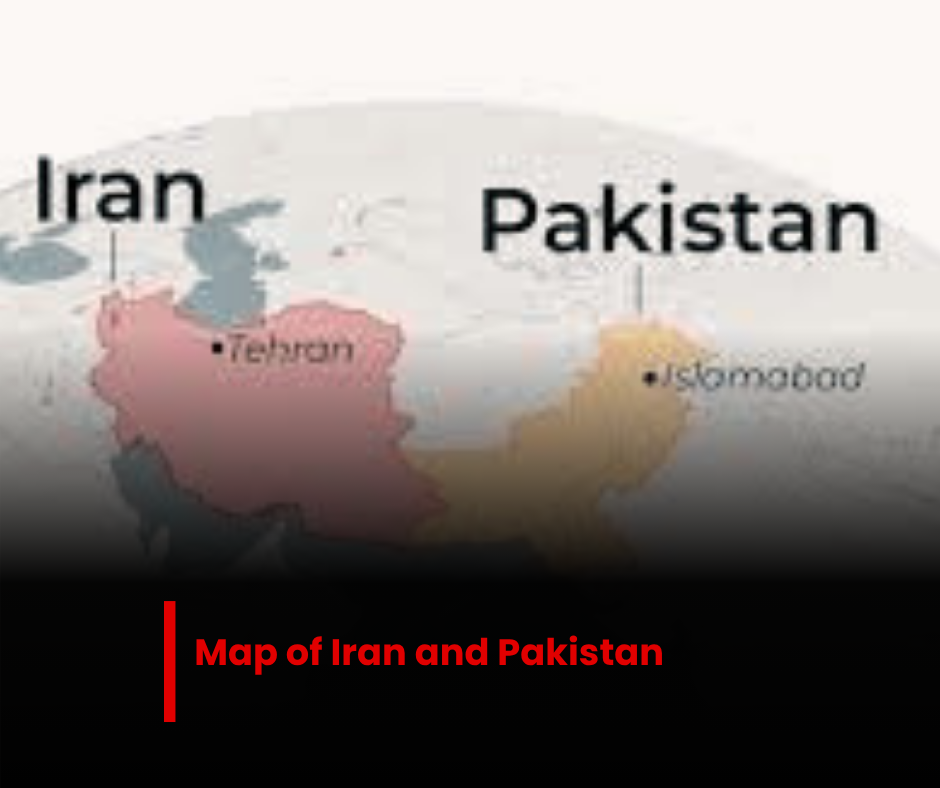
Pakistan offered to serve as an impartial forum for discussions between the US and Iran. Islamabad is a reliable mediator because it has maintained diplomatic ties with both Tehran and Washington.
- Date: Recent (11-04-2026)
- Location: Islamabad, Pakistan
- Duration: 21 hours over multiple days
- Outcome: No agreement; both sides cited unresolved differences
What Was America’s “Final Offer”?
The United States made what it described as its “final and best” offer to the Iranian delegation, according to diplomatic sources and analytical reports. According to reports, important elements included:
| U.S. Offer Component | Details |
| Asset unfreezing | Release of approximately $7 billion in sanctioned Iranian assets |
| Ceasefire agreement | Formal cessation of regional hostilities |
| Nuclear concessions | Iran must halt nuclear material enrichment and abandon weapons development |
| Sanctions relief | Gradual lifting of certain economic sanctions |
The U.S. delegation reportedly framed this as a “take it or leave it” proposal.
Why Did Iran Reject the Offer?
Iran cited “excessive demands” and “unreasonable expectations” from the United States in its official statement following the negotiations. Among Iran’s main worries were:
- Lack of long-term guarantees: Iran cited the 2015 JCPOA (nuclear agreement), from which President Trump’s administration unilaterally withdrew in 2018. Tehran demands legally binding guarantees that no U.S. administration in the future will back out of a new agreement.
- Trust deficit: Mutual trust has been damaged by decades of animosity. According to Iran, “the ball is now in the U.S. court.”
- No compromise on nuclear rights: Iran maintains that the NPT (Non-Proliferation Treaty) grants it the right to peaceful nuclear enrichment.
Iran’s position: Open to future talks if the U.S. moves away from a “zero enrichment” demand and provides enforceable guarantees.
Pakistan’s Role as Mediator
International journalists and analysts widely praised Pakistan for facilitating the negotiations.
| Praise Received | Source |
| “Unbelievable” and “smart” mediation | International correspondents |
| Strict neutrality maintained | Diplomatic observers |
| Confidentiality preserved throughout | Media reports |
Pakistan was able to create an uncommon direct line of communication between two hostile countries, even in the absence of a final agreement.
The Strait of Hormuz Factor
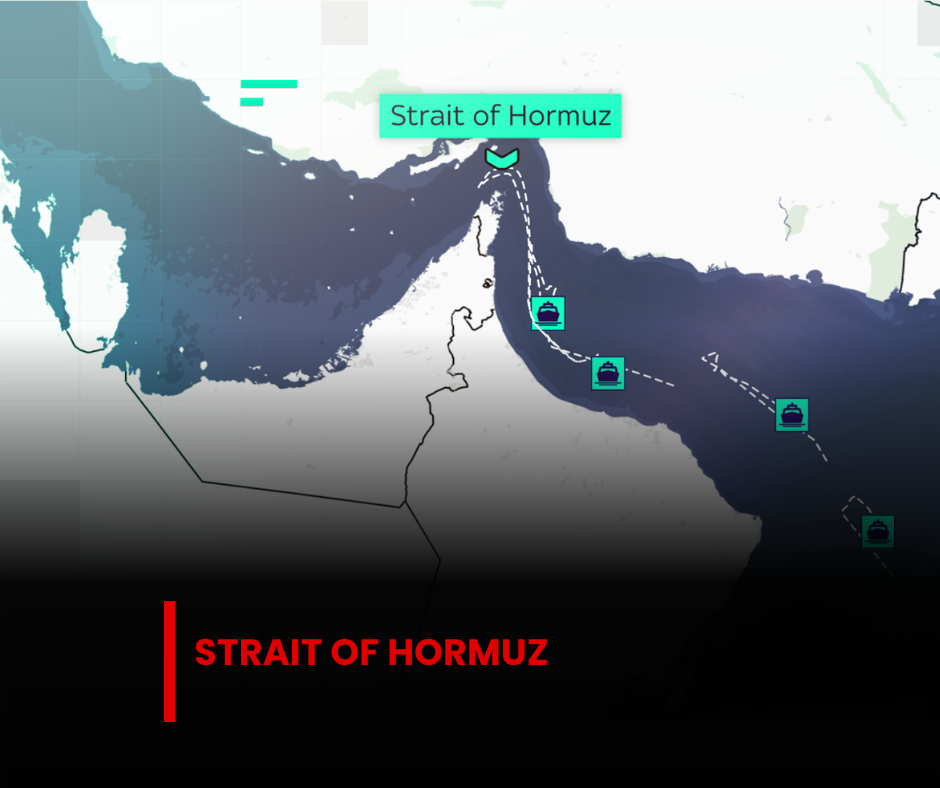
The Strait of Hormuz, a small waterway, separates the Persian Gulf and the Gulf of Oman. It transports about 20% of the world’s oil.
- Iran’s leverage: In reaction to military action or sanctions, Tehran has threatened to limit traffic across the strait.
- Economic impact: Gulf markets have previously been disrupted by even inexpensive Iranian drones.
- Recent incidents: According to reports, two Pakistani oil tankers were rerouted from the strait for “unavoidable reasons” (unconfirmed).
The Strait remains a flashpoint. Any blockade would spike global energy prices immediately.
Consequences of Failed Talks
Negotiation breakdowns carry immediate risks:
| Risk | Description |
| Maritime tensions | Possible restrictions on oil tanker movements |
| Regional escalation | Increased military posturing by Israel and Iran |
| Diplomatic stall | No clear path to renewed negotiations in the short term |
Israel may have prepared backup military plans, according to unverified reports. However, official sources have not yet confirmed these claims.
Is There Another Opportunity?
Diplomatic insiders say that the answer is yes. In the upcoming months, a second round of negotiations might take place in Pakistan or another Gulf country.
Conditions for success:
- The United States is moving toward a “middle ground” that permits restricted enrichment under stringent regulation.
- Iran agrees to a gradual lifting of sanctions in exchange for verifiable nuclear concessions.
- Measures to foster confidence are agreed upon by both parties.









Leave a Reply