
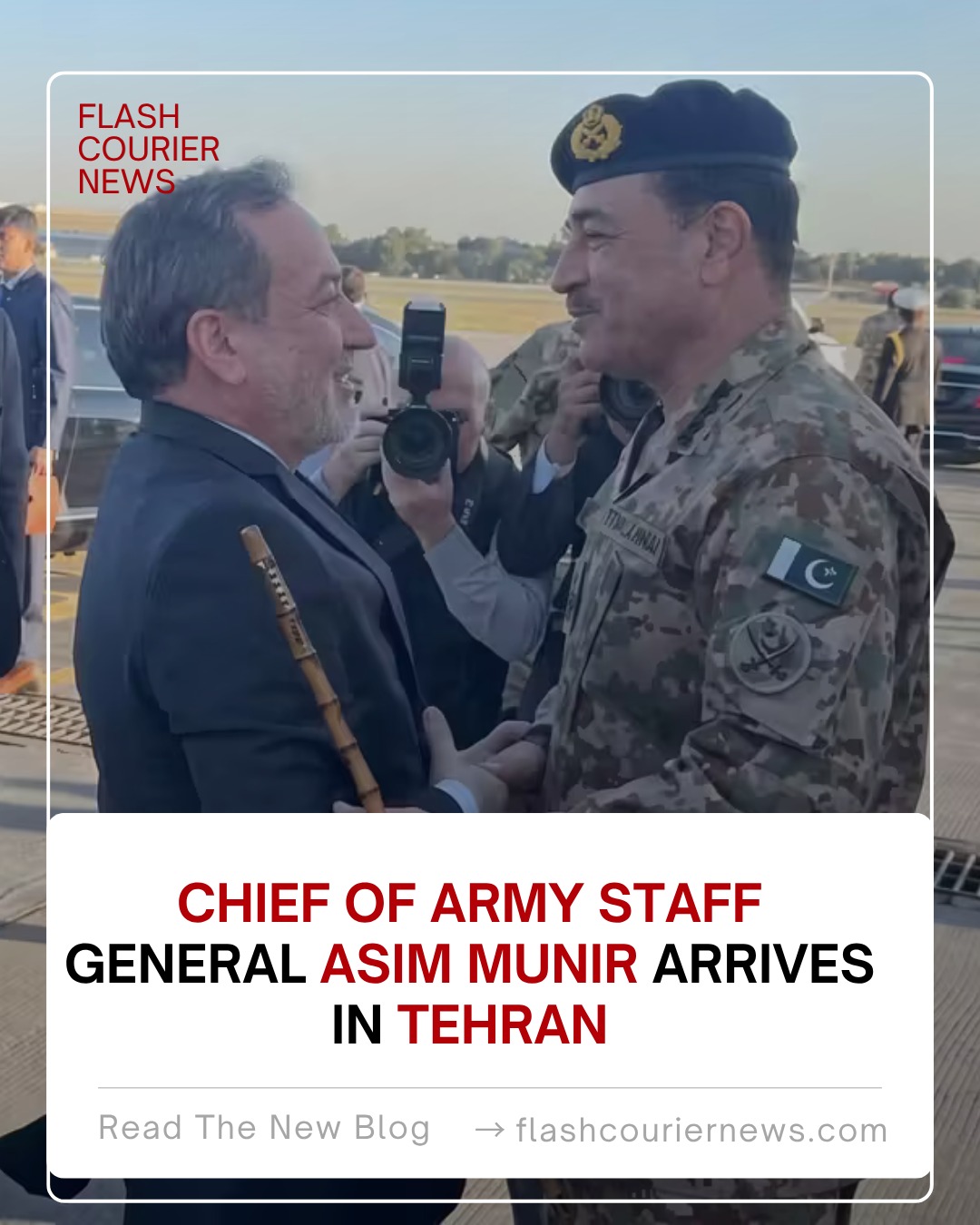
Pakistan’s U.S.-Iran mediation has solidified its place at the heart of international diplomacy, which is a very important step for regional geopolitics.
The recent high-level visit to Tehran by Interior Minister Mohsin Naqvi and Chief of Army Staff (COAS)
General Syed Asim Munir represents a turning point in ongoing efforts to ease tensions between the United States and Iran.
The delegation serves as a crucial conduit, carrying a message from Washington meant to
ease the impasse over Iran’s nuclear program and the maritime tensions in the Strait of Hormuz.
This mission is significantly more than a standard bilateral discussion.
The Tehran Mission: Delivering the U.S. Message
The visit of Pakistan’s senior military and governmental leadership replays the tense situation of the current scenario in the Iranian capital.
This mission’s basic target is to communicate to the Iranian leadership the precise terms and circumstances established by the Trump administration.
Given the increased likelihood of confrontation in the area, the timing is critical.
The Pakistani team is offering a safe and dependable results for critical and sensitive communication by travelling directly to Tehran.
By using its common border and historical links with Iran, Pakistan appears to be playing a main role that few other countries can:
Pakistan’s U.S.-Iran mediation ensures that Washington’s words are sent and comprehended without the distortions of public posturing.
Islamabad Round 2: The Possibility of Continued Discussions
A second round of official talks is gaining traction after the intense deliberations that were previously held in Islamabad.
These negotiations, codenamed “Islamabad Episode Two,” are likely to restart in a few days, according to words attributed to Donald J. Trump. What Was The Final Offer Of The US? | What’s Next After Islamabad?
The video analysis shows that Islamabad is still the best place for both USA and Iran, even when
alternative Europe or Riyadh analysts took locations into consideration
For Tehran, Pakistan offers geographic proximity and a venue that is neither a Western-aligned territory nor a Gulf state hosting major U.S. bases.
Washington believes that the first round’s success in Pakistan created a foundation that all parties are
now keen to expand upon, particularly with regard to uranium enrichment limitations and the length of any prospective embargo.
Pakistan’s Centrality in the Mediation Process
The current diplomatic frenzy shows that Pakistan’s U.S.-Iran mediation is still crucial to the process, despite
doubts from some sectors that it would be circumvented in favor of direct U.S.-Iranian contact.
This “centrality” stems from the trilateral process, in which Pakistan serves as both a host and a mediator “in the room.”
The fact that Pakistan is acting with the combined assistance of other regional countries, including as Saudi Arabia, Turkey, and Egypt, further strengthens their unique position. The delegation’s goal in Tehran is a component of a larger agreement to keep the regional economy from collapsing. In their interactions with Iranian authorities, COAS General Munir and his team are navigating a challenging situation in which Iran seeks swift sanctions relief and the release of blocked assets. while the United States requires long-term nuclear restrictions, possibly up to 20 years. Pakistan has effectively maintained its position as a crucial diplomatic link in a dispute with global ramifications for international stability and energy security by handling these competing demands.











Leave a Reply